





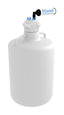


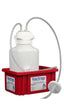


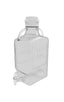


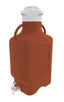


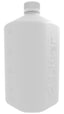
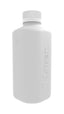

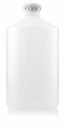
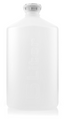






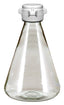
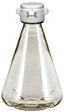




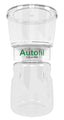
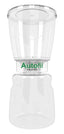




Laboratory sample bottles are one of the most used items in any lab, yet they rarely get the attention they deserve. A bottle that looks fine on the shelf can still let moisture in, react with a sample, or crack under pressure during transport. For labs running chemical analysis, environmental testing, pharmaceutical research, or microbiology work, the right sample bottle protects results from contamination, evaporation, and chemical breakdown. This article covers the technical features that actually matter when choosing laboratory sample bottles, the materials behind them, and how to pick the right one for your application.
What Are Laboratory Sample Bottles?
A laboratory sample bottle is a container designed to hold, transport, or store liquid or solid samples for testing, storage, or shipment without altering the sample's chemical or biological properties. Unlike general-purpose containers, sample bottles are manufactured to strict tolerances for leak resistance, chemical compatibility, and closure integrity. They're used across water testing, soil analysis, food safety, pharmaceutical quality control, and clinical labs, where even minor contamination can invalidate an entire test batch.

Key Features That Preserve Sample Integrity
Several design elements separate a reliable sample bottle from one that risks compromising results. Bottle material is the starting point: High-density polyethylene (HDPE), Polypropylene (PP), Polycarbonate (PC), Low-Density Polyethylene (LDPE), Polyethylene Terephthalate Glycol (PETG), and Borosilicate Glass each offer different levels of chemical resistance, clarity, and temperature tolerance. HDPE and PP resist a wide range of acids and solvents and are common for general lab use, while glass is preferred for samples sensitive to plastic leaching or for volatile organic compound testing.
Closure design matters just as much as the bottle body. Leak-proof caps with PTFE-lined seals or USP Class VI Certified Silicone Gaskets both prevent evaporation and cross-contamination, which is critical for volatile samples and long-term storage. Tamper-evident closures add a layer of chain-of-custody assurance for regulated testing, while autoclavable caps allow sterilization between uses in microbiology and cell culture work.
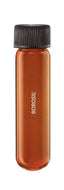
UV protection through amber or opaque bottle walls shields light-sensitive compounds from photodegradation, a common issue with pharmaceutical and environmental samples. Wide-mouth designs make it easier to add solids or use scoops, while narrow-mouth bottles reduce spill risk during liquid transfer. Graduated markings let technicians measure volume directly without transferring samples to a separate container, reducing handling errors.
Sterility is another non-negotiable feature for clinical and biological sampling. Gamma-sterilized certified sample bottles arrive ready for immediate use, removing the need for in-house autoclaving and cutting prep time significantly.
Common Uses Across Industries
Sample bottles show up everywhere testing happens. Environmental labs use them for water, wastewater, and soil sampling under EPA protocols. Pharmaceutical and biotech labs rely on sterile, gamma-treated bottles for cell culture media and reagent storage. Food and beverage testing facilities use chemically resistant bottles to check for contaminants, while industrial labs use them for fuel, oil, and chemical quality control. Field technicians favor shatter-resistant plastic bottles for site sampling, where breakage risk is higher than in a controlled lab setting.
Technical Considerations Before You Buy
Before selecting sample bottles, check chemical compatibility charts against the substances you're sampling, confirm the temperature range the bottle can handle (especially for autoclaving or freezer storage), and verify whether the application requires certified-clean or sterile bottles. Cap thread type, neck finish, and closure torque also affect how reliably a bottle seals over time, particularly during shipping. Labs that need traceability should look for lot-numbered, certified bottles with documentation included.

Why Labsafetyshop's Products Are Different
Labsafetyshop's product range stands out for chemically resistant materials, precision-molded closures, and certified sterile options built for demanding lab environments. Each item is selected to support accuracy, safety, and compliance across testing, storage, and transport applications.
Explore Sample Bottle Options
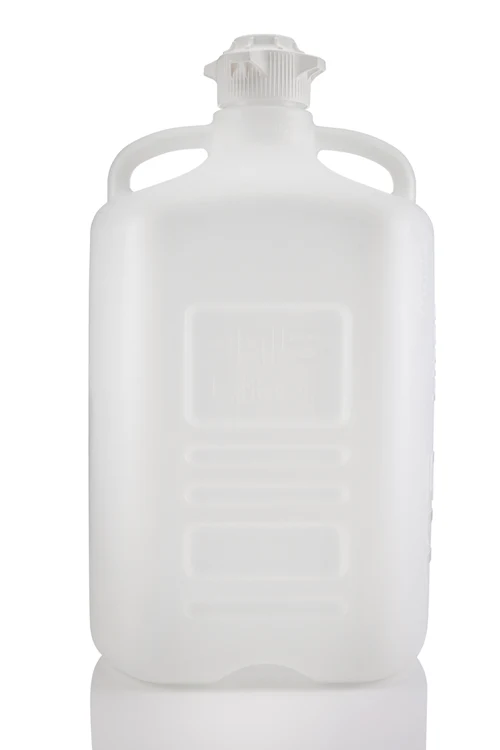
For labs ready to upgrade their sample storage and transport setup, Labsafetyshop offers a wide range of carboys, PUREGRIP bottles and flasks, sample filtration products, and laboratory safety containers engineered for chemical resistance and leak-proof performance. You can also browse related categories like Laboratory Safety Solutions, PUREGRIP Bottles, and Sample Filtration products to find the right container for your application.
Frequently Asked Questions
What material is best for laboratory sample bottles?
HDPE and PP suit most general chemical sampling, while borosilicate glass works best for volatile organics, and amber plastic or glass protects light-sensitive samples from degradation.
How do leak-proof caps protect samples?
PTFE-lined or gasket-sealed caps create an airtight barrier that prevents evaporation, cross-contamination, and spillage during storage, shipping, or handling in the field.
When should I use sterile, gamma-sterilized bottles?
Use gamma-sterilized bottles for cell culture, microbiology, clinical sampling, or any biological application where contamination could compromise results or regulatory compliance.
Why does bottle color matter for sample storage?
Amber or opaque bottles block UV light that can break down photosensitive compounds, which is essential for pharmaceutical samples, certain reagents, and environmental testing.
Are laboratory sample bottles reusable or single-use?
Both options exist. Autoclavable plastic and glass bottles can be cleaned and reused, while certified-clean or sterile bottles are typically single-use to maintain sample integrity.


Leave a Comment