


Top Rated
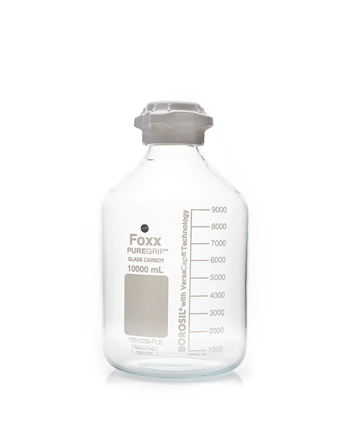
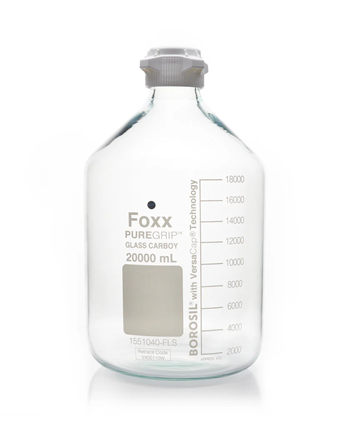
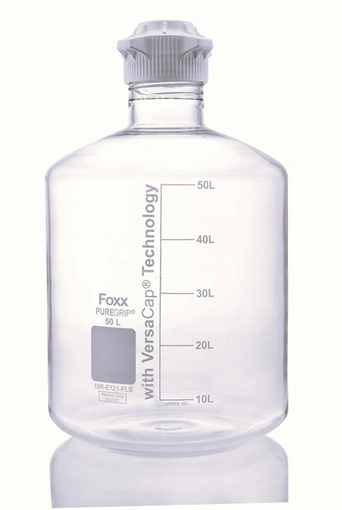
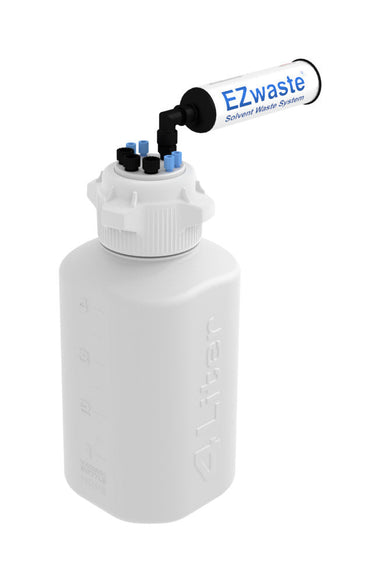
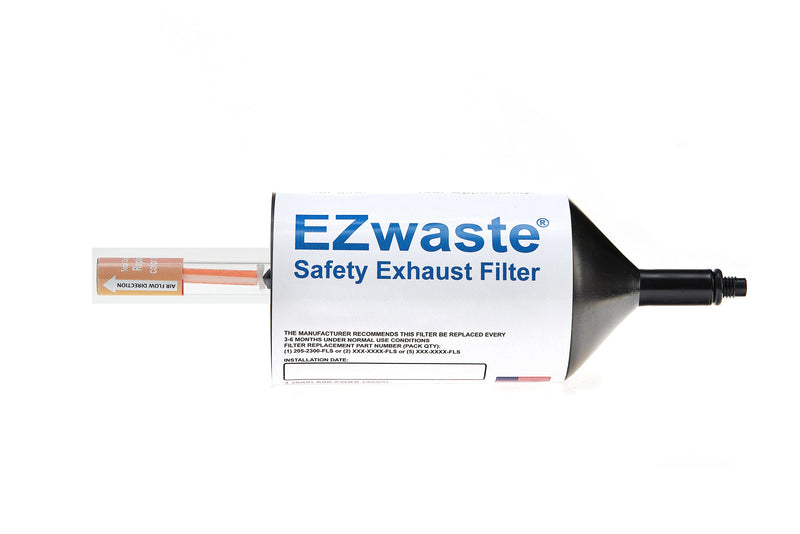
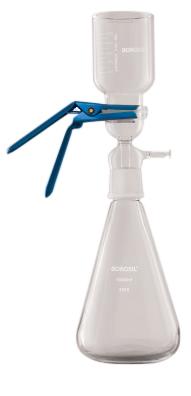
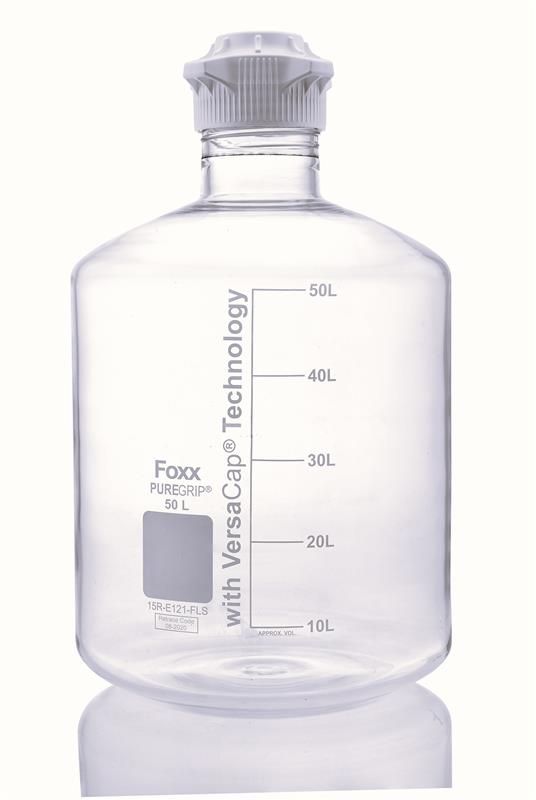
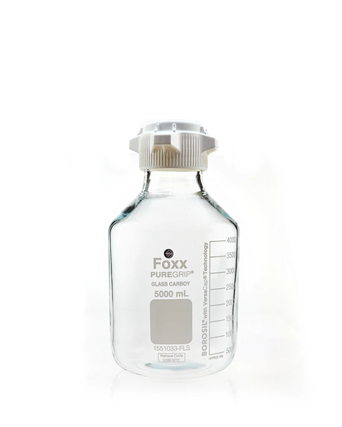
PUREGRIP® Rhino Safety Coated Glass Carboy, Clear, 5L, with 83B VersaCap, 1EA
MSRP
$996.03
Sale
$846.62







Sign Into
Log in for these benefits:
New Customer? Register Now
Search
Direct match
Suggested searches
Best match
Start typing to search products, brands, and categories.

Trusted by 10,000+ Labs
3,000+ Products from 20+ Trusted Brands. Quick Shipping, Best in Industry Pricing.

B2B Accounts Welcome
Advanced laboratory safety products trusted by research, pharmaceutical, and industrial laboratories.

ANSI · OSHA · NFPA Compliant
Premium laboratory safety solutions designed to help meet OSHA, EPA, and industry best practices.

SHOP
Shop Connectors — top-rated lab safety products, shipped fast.

SHOP
Foxx Life Sciences’ Vactrap™ is the world’s most advanced vacuum trap system, adhering ...

FEATURED BRAND
Shop HPLC Solvent Waste Systems — top-rated lab safety products, shipped fast.

SHOP
Shop Chemical Storage — top-rated lab safety products, shipped fast.
Explore products from trusted brands by application, product type, and specifications for chemical handling, waste management, containment, filtration, liquid handling, and laboratory storage.
Products you recently checked out
Products & collections added in the last 2 months


8 products
Shop Collection
8 products
Shop Collection
Updated daily · Products added in the last 2 months days
Answer three quick questions — we'll point you to exactly the right product category.
Based on your answers, we recommend:
Browse subcategories
Also consider
Family-owned and US-based — we're specialists in lab safety, not a general catalog. Every product we carry is chosen because it works.
Founded by scientists and safety officers, LabSafetyShop was built to solve a real problem: labs wasting time chasing multiple distributors for compliant, OSHA-ready supplies. We consolidated it — 3,000+ products, 20+ trusted brands, one trusted source.
Whether you manage a research lab, a hospital floor, or an industrial facility, we've got the safety supplies that keep your team protected and your operations compliant — with the expertise to back it up.

20+
YEARS EXPERTISE
Lab safety specialists since 2008
500+
LABS SERVED
Research, clinical & industrial facilities
100%
US-BASED
Team, warehouse & family-owned HQ
3+
STANDARDS MET
ANSI, OSHA & DOT — every product, every time
We don't stock what sells — we stock what's safe. Every product is evaluated by certified lab safety professionals before it ships.
Family-owned independence means we answer to labs, not suppliers. We carry what's compliant — not what pays the best margin.
Founded by scientists and safety officers who lived the pain of fragmented lab supply. We built the resource we wished existed.
Stop juggling five distributors. One OSHA-ready destination, one point of contact, one team that knows your compliance requirements cold.
Everything you need to know about our products and lab safety solutions.
Guides, compliance tips & product deep-dives for safety professionals.
Calculating your total…
Your cart is empty
Add lab safety products to get started.
No products found in this category.
No products found in this category.
…