


Hazardous Waste ManagementHazardous Waste Management — Translation missing: en.sections.collection.related_imageHazardous Waste Management — Translation missing: en.sections.collection.related_imageHazardous Waste Management — Translation missing: en.sections.collection.related_imageHazardous Waste Management — Translation missing: en.sections.collection.related_image

Hazardous Waste Management

5 subcategories
Related FAQ

Hazardous Waste Management FAQ

Frequently asked questions about this collection.

Why are waste management containers essential in laboratories?
Waste management containers are essential in laboratories because they provide a safe, designated place for chemical waste, reduce the risk of spills and cross-contamination, and help maintain compliance with regulatory standards for hazardous waste handling and disposal.
How do waste disposal containers improve lab safety?
Waste disposal containers improve lab safety by securely containing hazardous materials, preventing leaks and spills, minimizing exposure to toxic substances, and clearly identifying waste types through proper labeling and color coding.
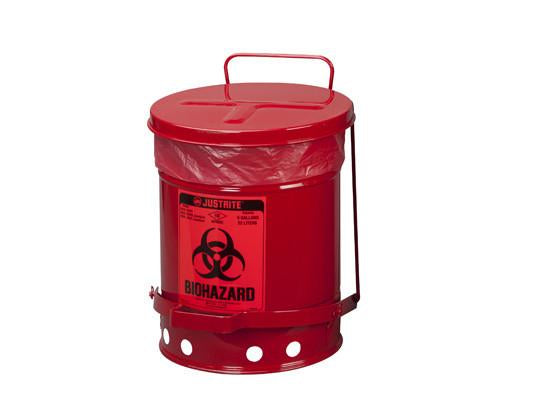
When should a biohazard waste container be used?
A biohazard waste container should be used whenever biological waste is generated, including cultures, stocks, human or animal tissues, contaminated personal protective equipment, and any materials that have come into contact with infectious agents.
How do I choose the right hazardous waste container?
Choose a hazardous waste container based on the chemical compatibility of the waste, the container material (HDPE, glass, or metal), size and volume requirements, closure type, and whether the container meets regulatory standards for the specific type of waste being collected.
How does proper waste management improve laboratory safety?
Proper waste management improves laboratory safety by reducing the risk of chemical exposure, preventing fires and reactions from incompatible waste, keeping work areas organized and clutter-free, and ensuring that hazardous materials are handled, stored, and disposed of in compliance with safety regulations.
What are regulatory requirements for hazardous waste disposal?
Regulatory requirements for hazardous waste disposal include proper labeling and identification of waste containers, use of compatible and compliant containers, secondary containment where required, maintaining waste accumulation logs, and disposal through licensed hazardous waste disposal facilities in accordance with EPA, OSHA, and local regulations.
How do I choose the right hazardous waste management system?
Choose a hazardous waste management system based on the type of chemicals being handled, waste volume, chemical compatibility, laboratory workflow, and applicable regulations. Systems with secure closures, vapor control, secondary containment, and chemical-resistant materials provide the highest level of safety.
How do I reduce laboratory hazardous waste?
Laboratories can reduce hazardous waste by minimizing chemical usage, segregating waste streams, selecting reusable equipment where appropriate, implementing recycling programs, and using efficient waste collection systems that prevent unnecessary disposal and contamination.