


Filtration

Filtration

6 subcategories

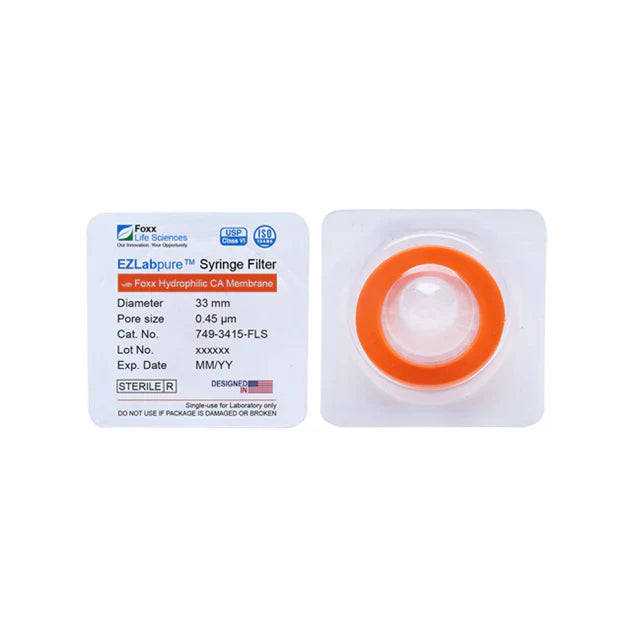
LabSafetyShop.com offers Foxx's EZflow® Syringe Filters that are structured for handling aqueous and organic solution samples. Achieve precise purification and particle extracti... LabSafetyShop.com offers Foxx's EZflow® Syringe Filters that are structured for handling aqueous and organic solution samples. Achieve precise purification and particle extraction from samples followed by instrumental analysis such as HPLC, IC, and GC with our high-grade syringe filters.Browse through and learn more about our Syringe Filters in the pages below.
Filtration FAQ

Are laboratory filters reusable?
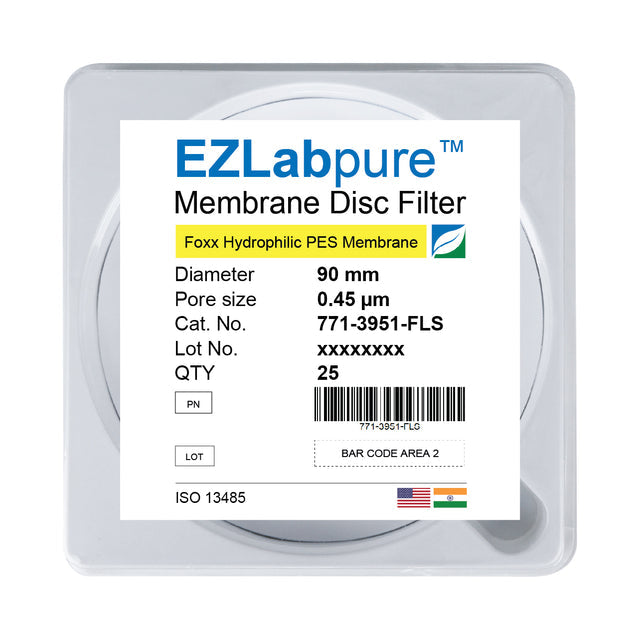
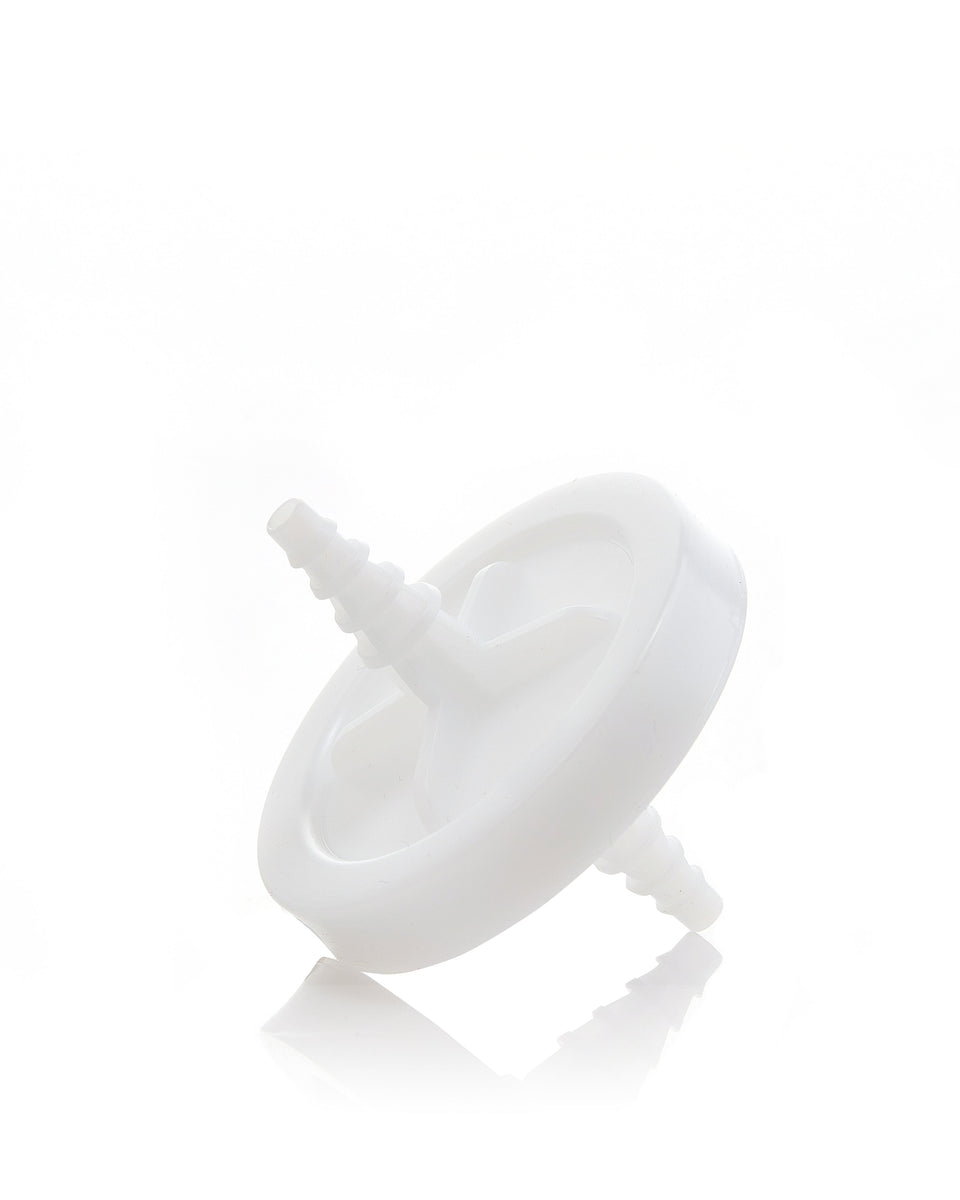
Most membrane filters, syringe filters, bottle top filters, and capsule filters are intended for single use to maintain filtration efficiency and prevent cross-contamination. Reusing disposable filters may compromise sample quality and filtration performance.
Can filtration products be reused?
Some filtration products are designed for single use while others can be cleaned and reused. Disposable filters reduce cross-contamination risk, while reusable systems offer lower long-term costs for high-volume applications.
How do I choose the right filter for my application?
Choose filters based on the liquid type, particle size, flow rate, chemical compatibility, volume requirements, and sterility needs. Filter membrane material, pore size, and housing design all affect performance.
How does vacuum filtration work?
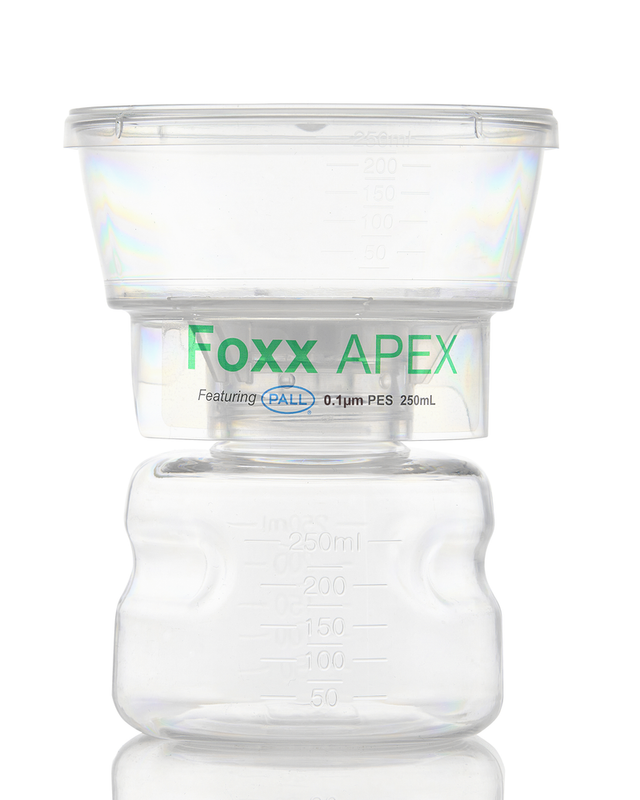
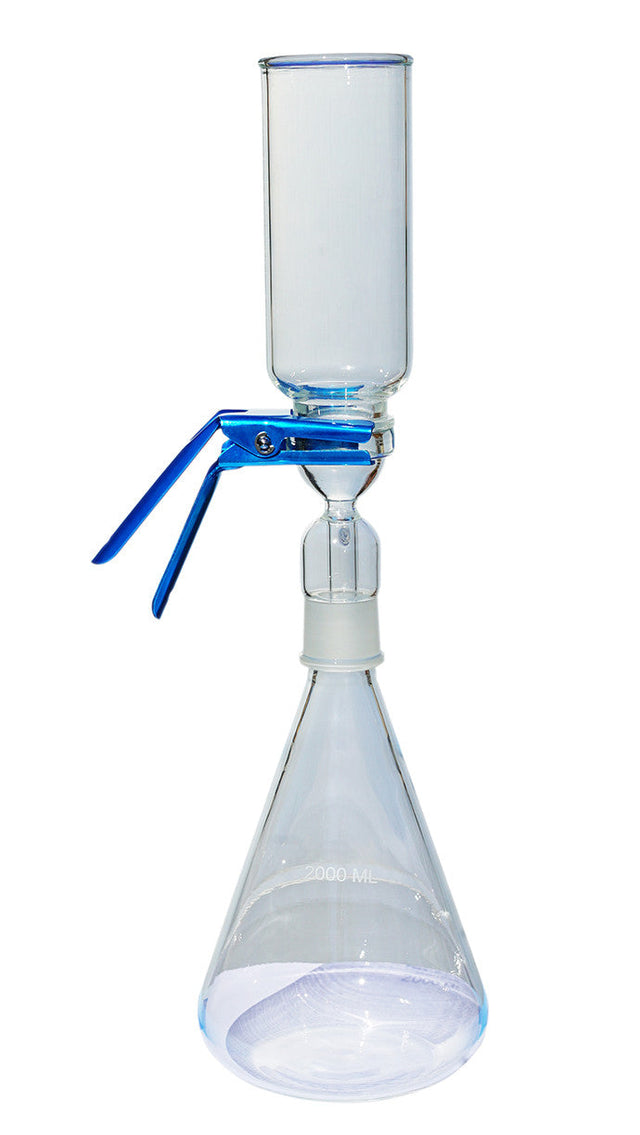
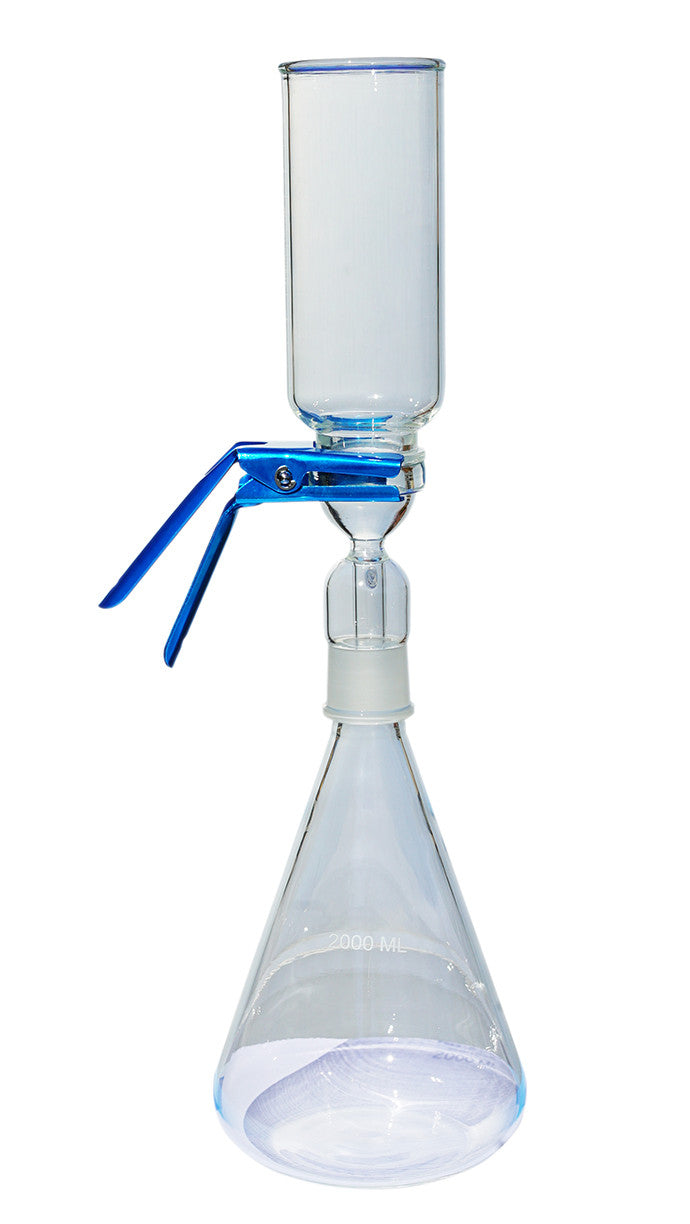
Vacuum filtration uses a vacuum source to pull liquid through a filter membrane, separating solids from liquids. It is commonly used for particle analysis, sterilization, and sample preparation in analytical and microbiological laboratories.
How often should laboratory filters be replaced?
Laboratory filters should be replaced after reaching their recommended capacity, when flow rates decrease significantly, or after completing the intended filtration process. Regular replacement helps ensure consistent filtration performance and reliable analytical results.