


HPLC Solvent Waste SystemsHPLC Solvent Waste Systems — related categoryHPLC Solvent Waste Systems — related categoryHPLC Solvent Waste Systems — related categoryHPLC Solvent Waste Systems — related categoryHPLC Solvent Waste Systems — related categoryHPLC Solvent Waste Systems — related category

HPLC Solvent Waste Systems

7 subcategories

HPLC Solvent Waste Collection Systems for Safer Laboratories

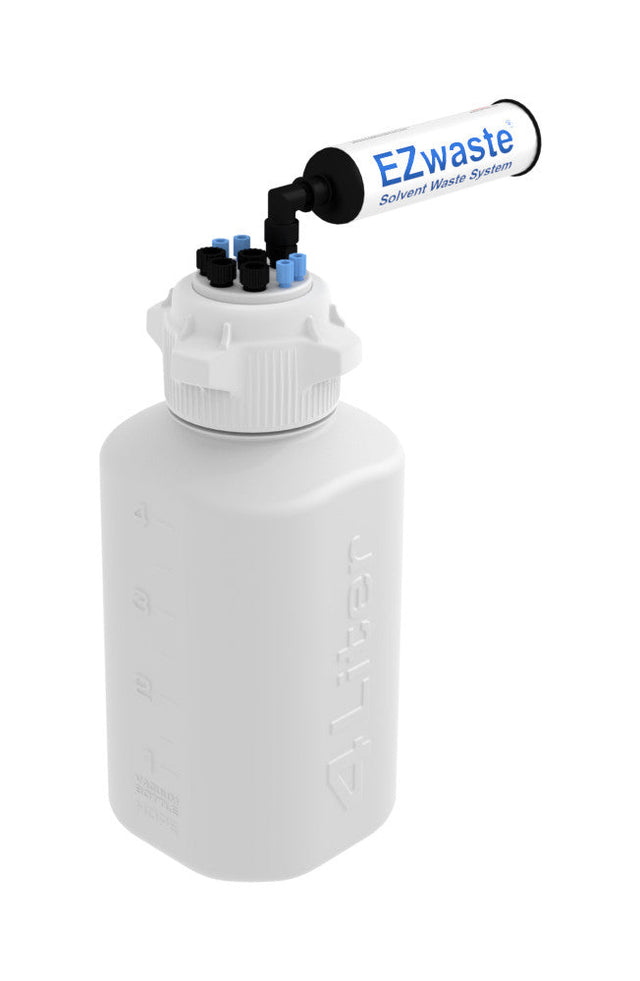
Explore HPLC solvent waste collection systems designed for the controlled collection and management of liquid chromatography solvent waste. HPLC and UHPLC laboratories routinely generate waste containing organic solvents, aqueous mobile phases, and chemical mixtures that require appropriate containment. Properly configured solvent waste systems help reduce the risk of spills, uncontrolled solvent vapor release, and accidental exposure during laboratory operations.

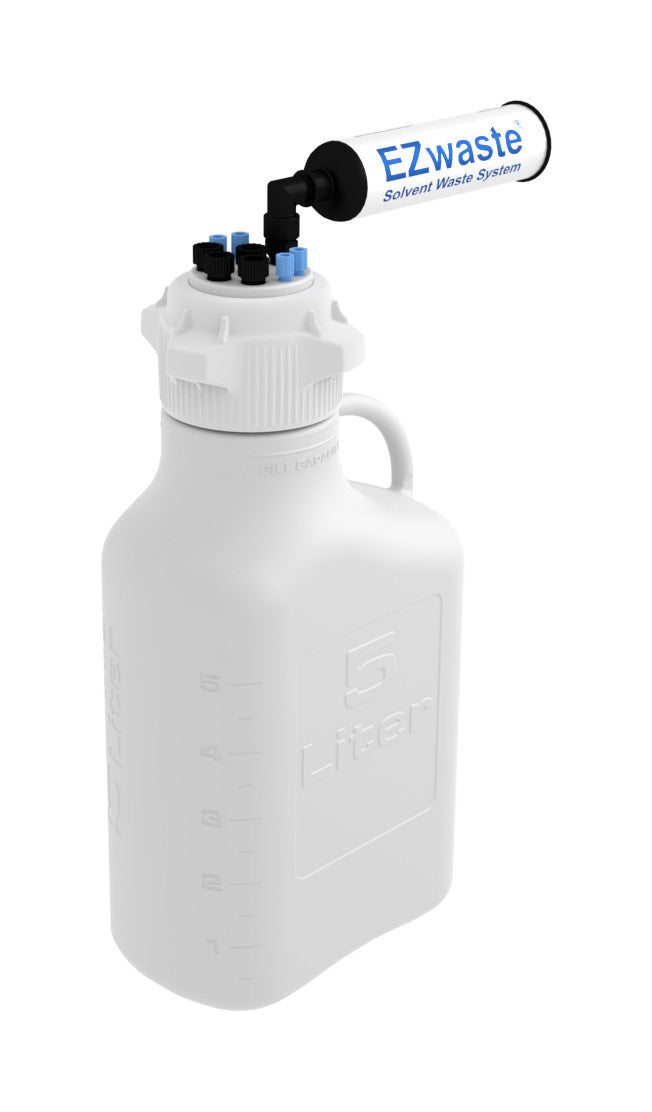
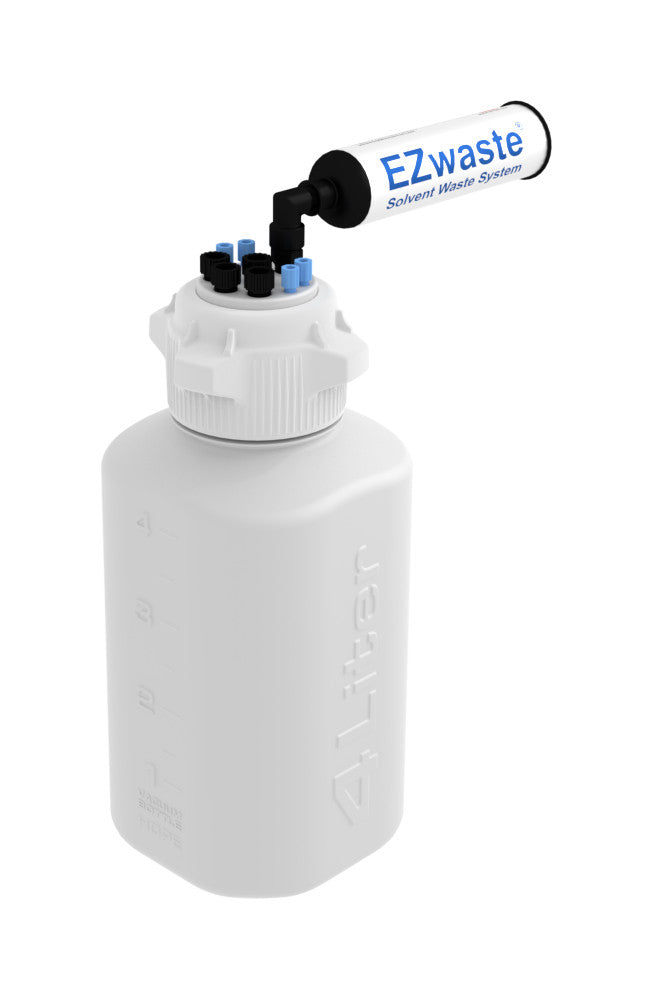
At LabSafetyShop, discover laboratory solvent waste containers, safety caps, waste collection assemblies, and compatible accessories designed to support closed solvent waste handling. Depending on the configuration, these systems may include chemical-resistant containers, sealed tubing connections, vapor-management components, and features that help prevent overfilling. Selecting compatible materials, fittings, and container capacities is essential for effective solvent waste collection.

Whether you're setting up a new HPLC workstation, replacing solvent waste components, or improving laboratory chemical waste management, LabSafetyShop makes it easier to source dependable HPLC solvent waste systems for analytical laboratories, pharmaceutical research, biotechnology, environmental testing, and quality control applications.
Recently Viewed

Still Comparing? Your Recently Viewed

Products you recently checked out

Related FAQ

Hplc Solvent Waste Systems FAQ

Frequently asked questions about this collection.

What is an HPLC solvent waste collection system?

An HPLC solvent waste collection system is designed to collect liquid waste generated by high-performance liquid chromatography instruments. A typical system uses a compatible waste container, safety cap, tubing connections, and, where required, vapor-management components to help contain solvent waste and reduce exposure risks.

Why should HPLC solvent waste be collected in a closed system?

Closed HPLC solvent waste systems help limit uncontrolled solvent vapor release, reduce opportunities for spills, and support safer waste handling. Properly configured systems can also help laboratories manage waste generated by continuous chromatography operations. Appropriate ventilation and chemical waste handling procedures remain essential.

What components are used in an HPLC solvent waste system?

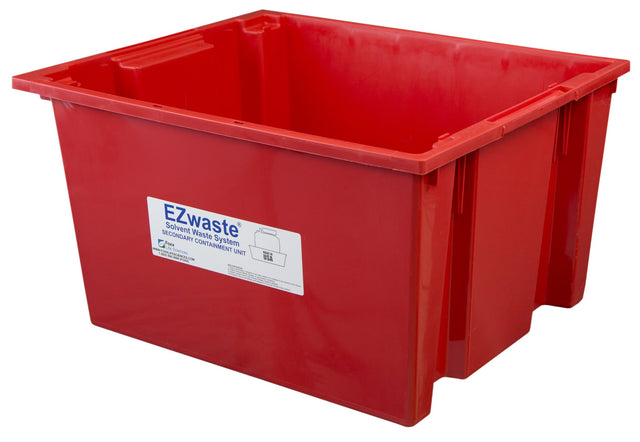
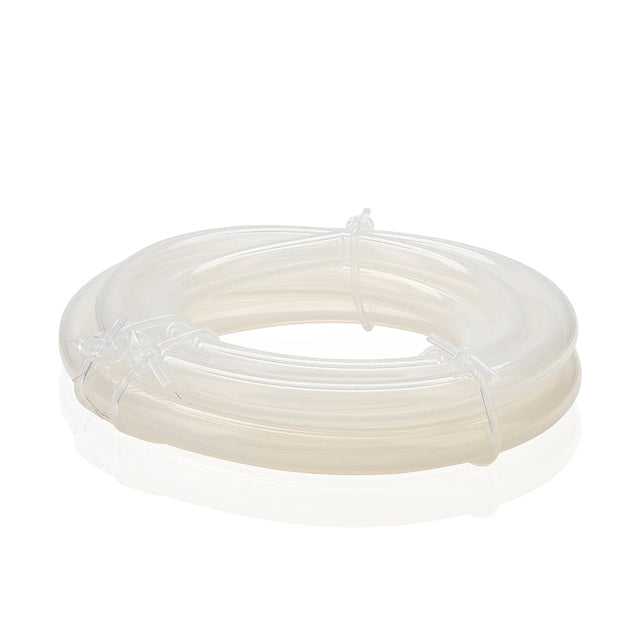
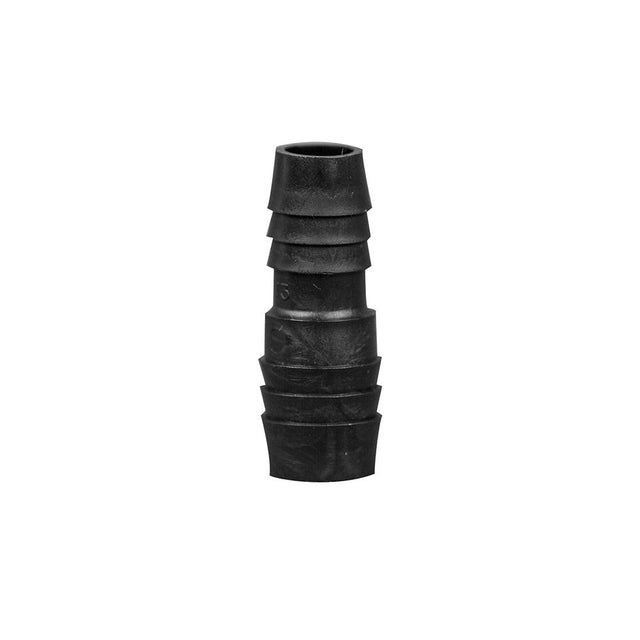
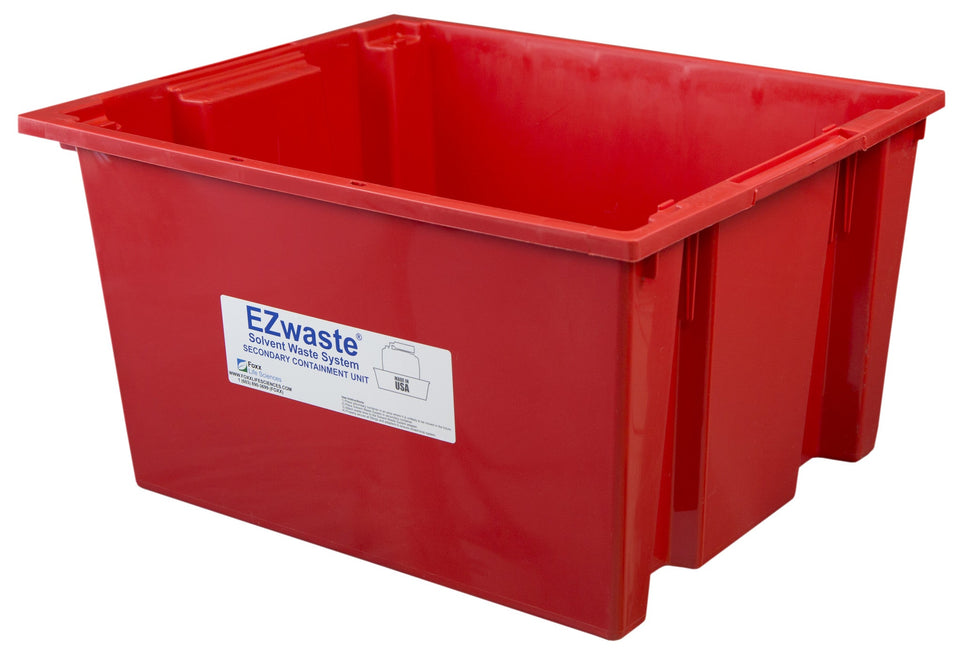
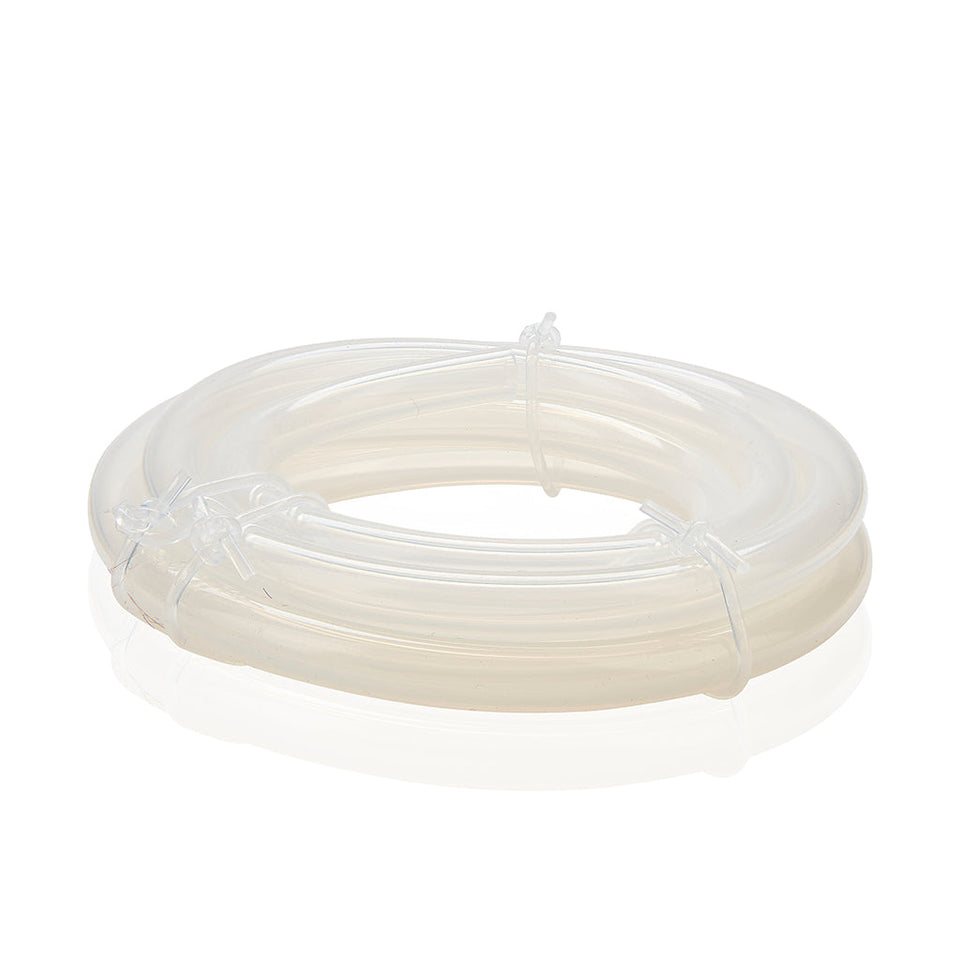
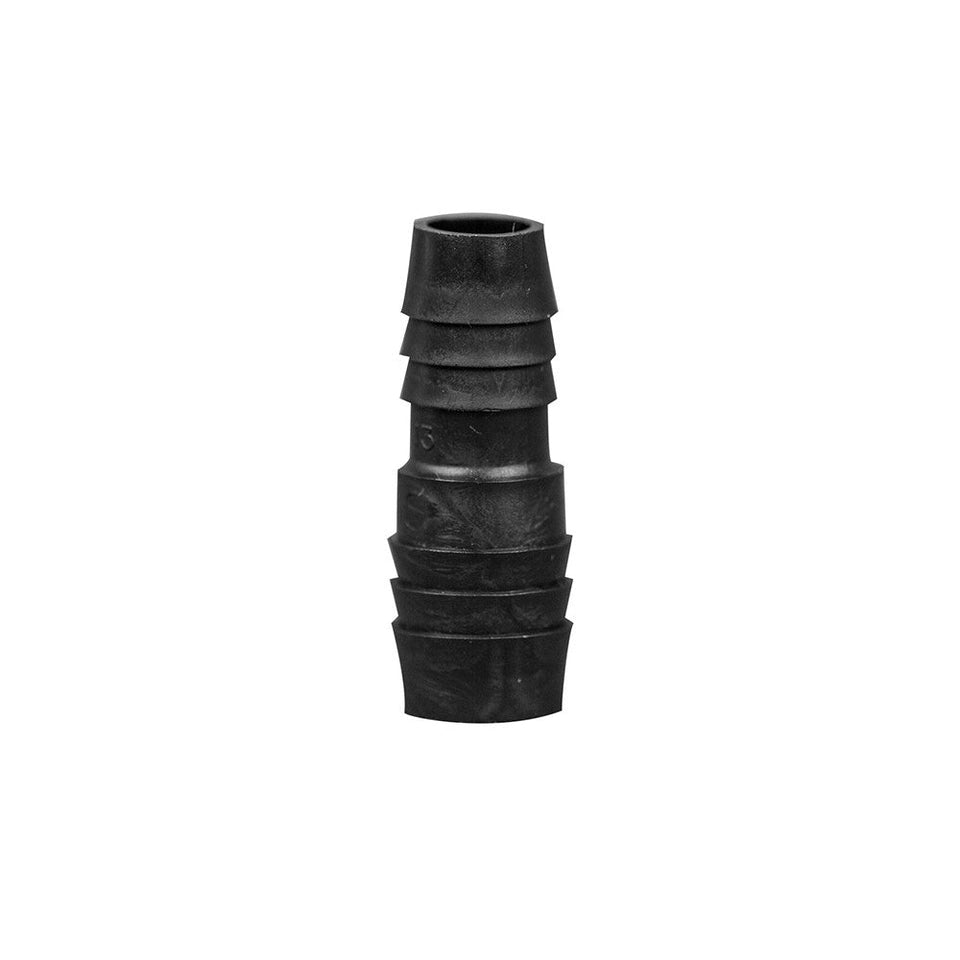
Common components include solvent waste bottles or carboys, safety cap assemblies, tubing, replacement fittings, exhaust filters, and secondary containment containers. The required components depend on the chromatography equipment, waste composition, container capacity, and collection arrangement.

What is the purpose of an HPLC solvent waste exhaust filter?

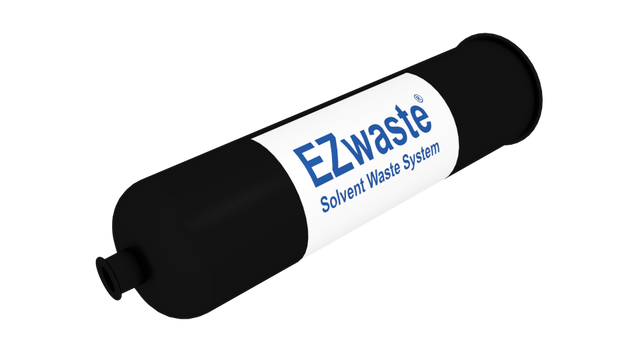
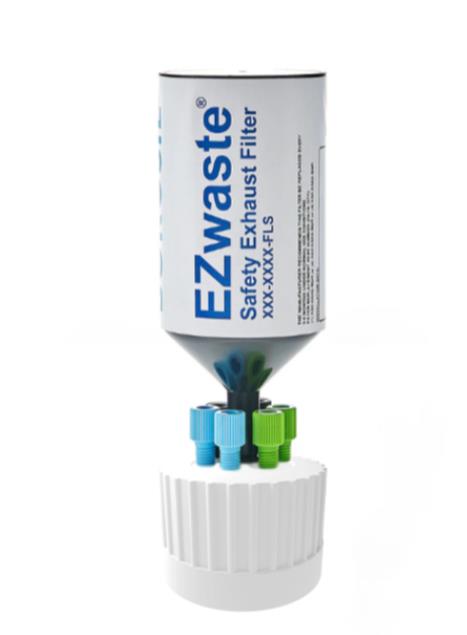
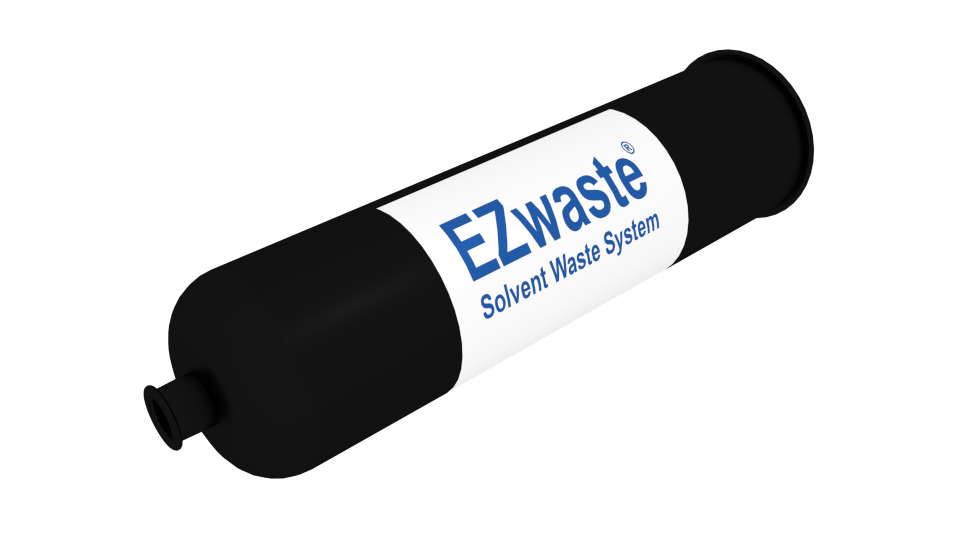
An HPLC solvent waste exhaust filter is used to help manage solvent vapors released through a compatible waste container vent. Certain filters use adsorption media to capture specified organic solvent vapors. Filter suitability, service life, and replacement requirements depend on solvent composition, vapor loading, and manufacturer specifications.

How do I choose the correct HPLC solvent waste container?

Choose an HPLC solvent waste container based on expected waste volume, chemical compatibility, available space, closure design, tubing connections, and secondary containment requirements. Confirm compatibility with the complete solvent mixture, including any organic solvents, acids, bases, or additives present.

How can laboratories reduce the risk of HPLC solvent waste overfilling?

Laboratories can reduce overfilling risks by selecting appropriately sized waste containers, monitoring fill levels, establishing routine waste removal schedules, and using compatible overflow-prevention or level-monitoring components where appropriate. Containers should be inspected regularly and managed according to applicable laboratory waste procedures.