




Tight-Heads/JerrycansTight-Heads/Jerrycans — related categoryTight-Heads/Jerrycans — related categoryTight-Heads/Jerrycans — related categoryTight-Heads/Jerrycans — related category

Tight-Heads/Jerrycans

1 subcategory

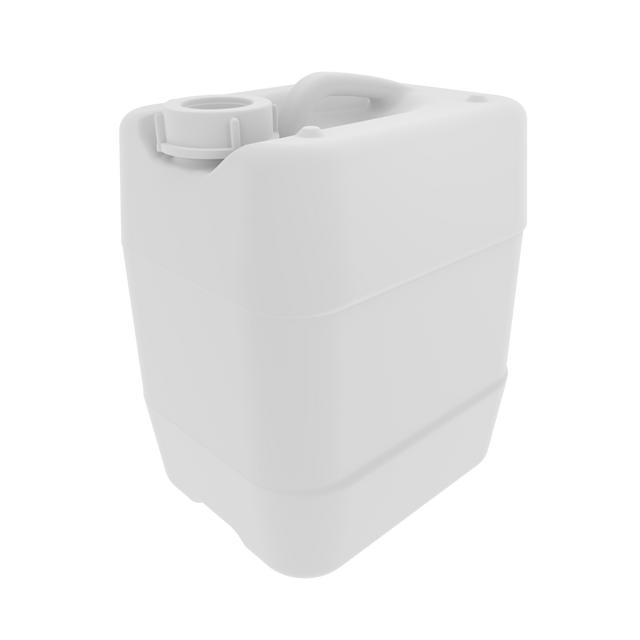
HDPE Laboratory Jerrycans & Tight-Head Chemical Containers

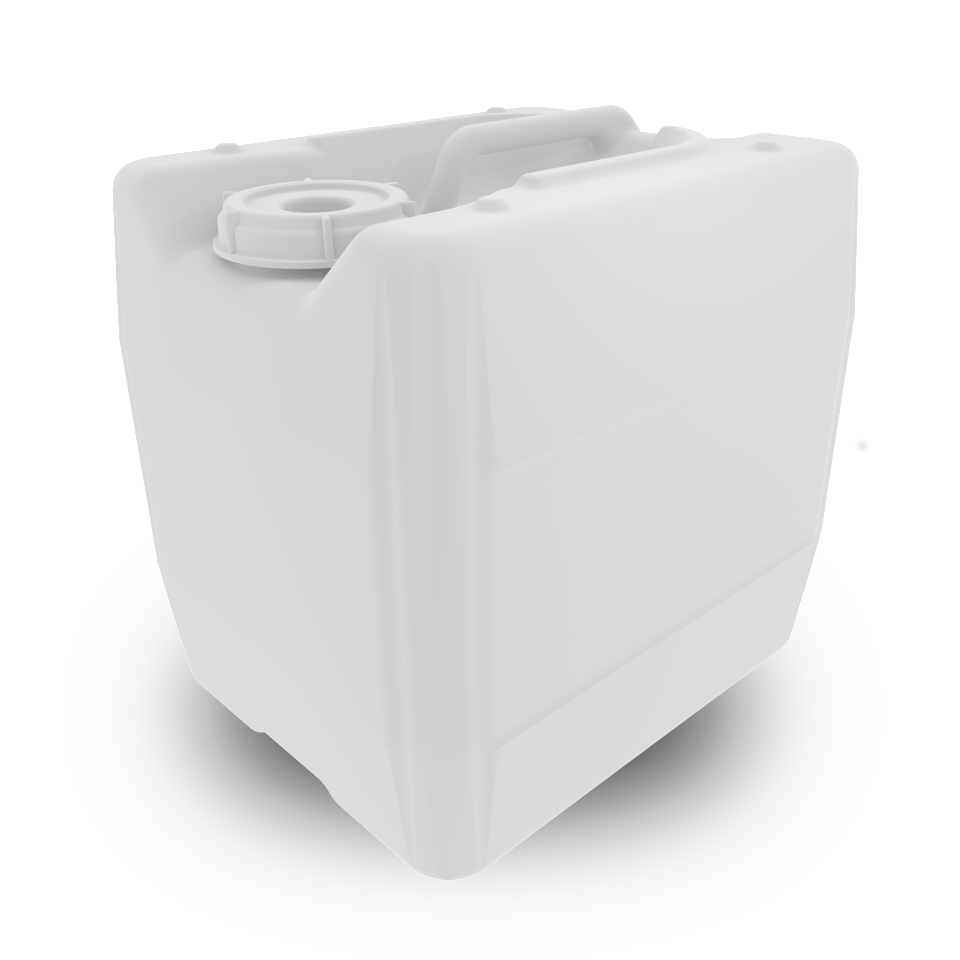
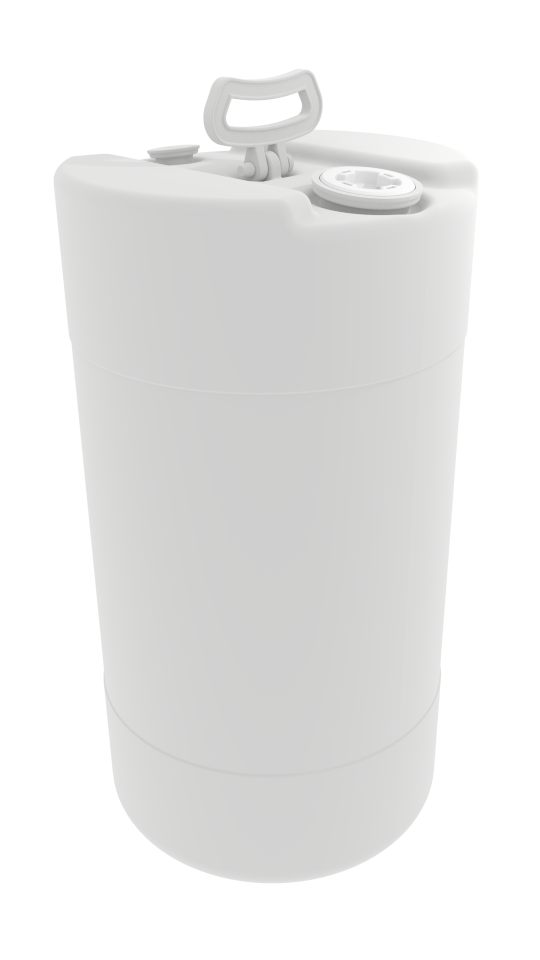
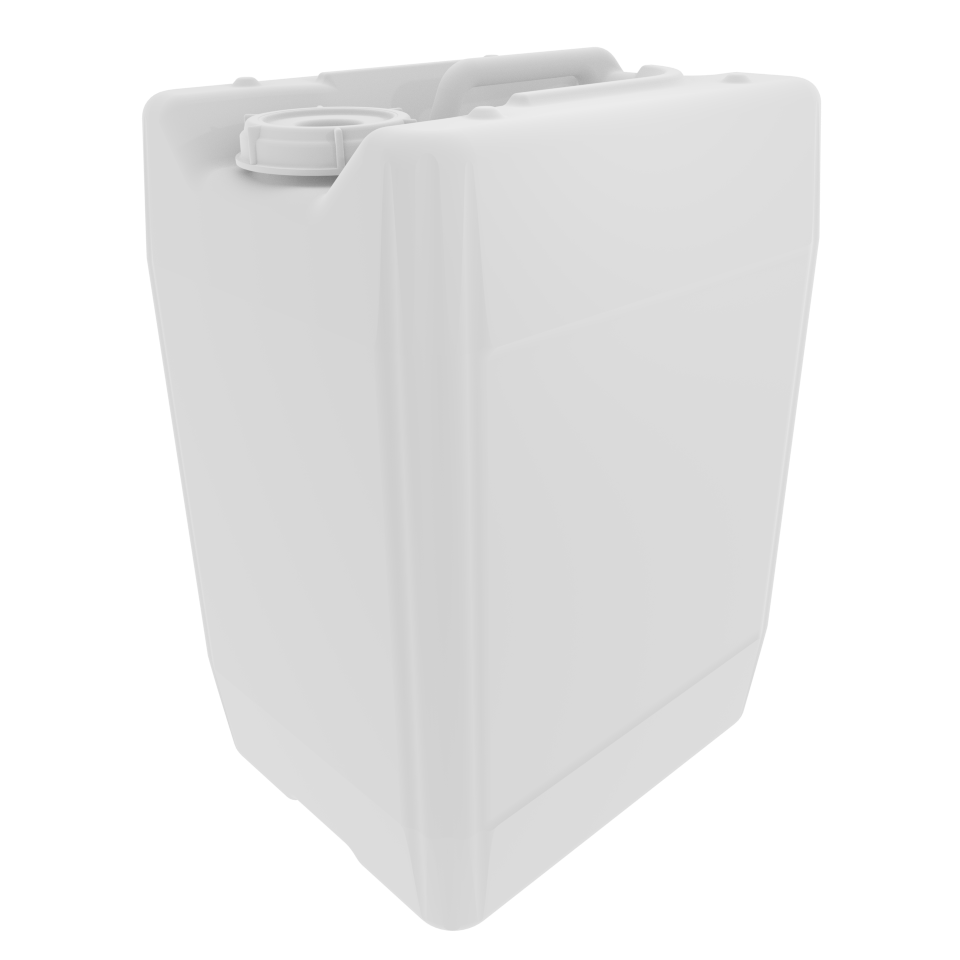
Explore laboratory jerrycans and tight-head containers designed for the secure storage, handling, and collection of compatible laboratory chemicals and liquid waste. These rigid, closed-head containers are used in research laboratories, pharmaceutical facilities, chemical processing operations, industrial testing environments, and hazardous waste management applications where durable liquid containment is essential.

At LabSafetyShop, discover HDPE jerrycans and UN/DOT liquid containers available in 10 L, 13.5 L, 20 L, and 60 L capacities. Manufactured from high-density polyethylene using blow-molding technology, these containers offer durable construction and resistance to many compatible chemicals. Available configurations include closed caps with designated neck sizes, providing practical options for laboratory liquid storage, chemical waste collection, and industrial handling.

Whether you're collecting compatible laboratory waste, storing chemical solutions, or selecting containers for regulated liquid shipments, LabSafetyShop makes it easier to source dependable tight-head HDPE jerrycans and chemical storage containers. Choose the appropriate capacity, closure configuration, chemical compatibility, and certified packaging specification for your application. When shipping hazardous materials, verify that the complete packaging assembly meets all applicable transport requirements.
Recently Viewed

Still Comparing? Your Recently Viewed

Products you recently checked out

Related FAQ

Tight Heads Jerrycans FAQ

Frequently asked questions about this collection.

What are tight-head jerrycans used for in laboratories?

Tight-head jerrycans are rigid liquid containers with relatively small, closable openings. They are used to store, collect, handle, and transport compatible laboratory chemicals, industrial liquids, and liquid waste. Their closed-head construction supports secure containment when fitted with the appropriate closure.

What types of jerrycans are available at LabSafetyShop?

LabSafetyShop offers high-density polyethylene (HDPE) UN/DOT containers in 10 L, 13.5 L, 20 L, and 60 L capacities. Available configurations include closed-cap containers suitable for compatible chemical storage, liquid waste collection, and certain regulated packaging applications.

What are the advantages of HDPE chemical jerrycans?

HDPE jerrycans offer durable, lightweight construction and resistance to many compatible laboratory chemicals. They are commonly used for liquid waste collection and chemical storage because they are impact-resistant and available in practical handling capacities. However, HDPE is not compatible with every solvent or chemical mixture.

What does UN/DOT mean on a laboratory liquid container?

UN/DOT packaging markings identify packaging designed and tested against specified hazardous-material transport requirements. A UN marking indicates a particular packaging design type and performance rating. It does not mean the container is approved for every hazardous liquid or shipping condition. The complete packaging, closure, contents, and transport method must meet applicable regulations.

What is the difference between a tight-head jerrycan and an open-head container?

A tight-head jerrycan has a relatively small filling or dispensing opening that is closed with a cap. An open-head container has a larger removable lid or top opening. Tight-head designs are commonly used for liquids, while open-head containers may be preferred when wider access is required for filling, cleaning, or handling other materials.

How do I choose the correct laboratory jerrycan?

Select a jerrycan based on chemical compatibility, required capacity, cap and neck configuration, operating conditions, and intended use. For liquid waste, consider the expected chemical mixture and safe fill limits. For hazardous-material transport, verify the complete packaging's UN performance marking, closure instructions, and regulatory suitability.