




Secondary ContainmentSecondary Containment — related categorySecondary Containment — related categorySecondary Containment — related categorySecondary Containment — related category

Secondary Containment

1 subcategory

Secondary containment systems provide an essential additional layer of protection when laboratories store, handle, or collect chemicals, solvents, hazardous liquids, and laboratory waste. By placing a primary carboy or container inside a larger secondary containment container, laboratories can help control leaks and spills before they spread to floors, work areas, equipment, or surrounding environments.

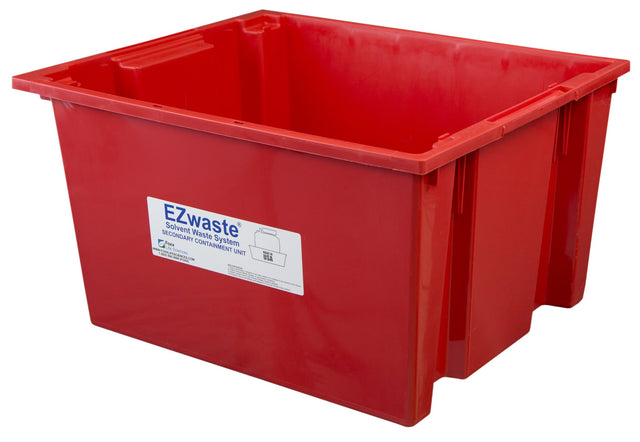
LabSafetyShop offers durable laboratory secondary containment containers for carboys designed to support safer chemical storage, solvent waste collection, HPLC waste management, and laboratory liquid-handling applications. These secondary containers are manufactured from durable HDPE and are designed to accommodate laboratory carboys while providing additional containment capacity in the event of leakage or primary-container failure.

Why Use Secondary Containment in the Laboratory? Secondary containment is an important part of laboratory chemical safety because even properly selected primary containers can be damaged, overfilled, accidentally tipped, or develop leaks during use.

Using a secondary containment system can help laboratories:

- Contain accidental chemical leaks and liquid spills - Provide backup containment around laboratory carboys and waste containers - Reduce the spread of hazardous chemicals, solvents, and laboratory waste - Protect laboratory floors, benches, equipment, and surrounding work areas - Support safer HPLC solvent waste collection and chemical waste storage - Reduce cleanup requirements following minor leaks or container failures - Improve laboratory chemical-storage and spill-response practices - Provide an additional safety barrier during storage and fluid-handling workflows - Support safer handling of large-volume laboratory liquid containers - Secondary Containers for Laboratory Carboys

The secondary containment products available from LabSafetyShop are designed specifically for use with laboratory carboys and large-volume liquid containers. Durable HDPE construction provides a practical containment solution for laboratories handling solvents, chemical waste, reagents, buffers, process liquids, and other laboratory fluids.
Recently Viewed

Still Comparing? Your Recently Viewed

Products you recently checked out

Related FAQ

Secondary Containment FAQ

Frequently asked questions about this collection.

Are secondary containment trays resistant to chemicals?
Quality secondary containment trays are designed to resist a wide range of laboratory chemicals, including acids, alkalis, and many solvents. Always verify the material compatibility with the specific chemicals used in your laboratory before selecting a containment system.
Can secondary containment prevent environmental contamination?
Yes. Secondary containment captures accidental leaks and spills before they reach floors, drains, or soil. This helps protect the environment, reduces cleanup costs, and supports compliance with environmental protection regulations.
How do I choose the right secondary containment tray?
Select a secondary containment tray based on the size of the primary container, required spill capacity, chemical compatibility, and intended application. Choose trays made from chemically resistant materials that can safely contain the liquids being stored.
How much spill capacity should secondary containment provide?
As a general guideline, secondary containment should hold at least the volume of the largest container or the capacity required by applicable regulations. Selecting the correct spill capacity helps ensure effective containment during accidental leaks.
What are the benefits of using secondary containment systems?
Secondary containment systems improve laboratory safety by reducing spill risks, protecting personnel, preventing environmental contamination, and supporting regulatory compliance. They also help preserve laboratory equipment and reduce downtime caused by accidental chemical releases.
What is secondary containment?
Secondary containment is a protective system designed to capture leaks or spills from primary chemical containers. It acts as a backup barrier, preventing hazardous liquids from spreading, protecting laboratory personnel, equipment, and the environment from accidental contamination.
What materials are used to manufacture secondary containment trays?
Secondary containment trays are commonly made from high-density polyethylene (HDPE), polypropylene (PP), stainless steel, or other chemical-resistant materials. The best material depends on the chemicals being stored and the laboratory environment.
Where should secondary containment be used in a laboratory?
Secondary containment should be used wherever hazardous chemicals are stored, transferred, or collected. Common applications include under reagent bottles, chemical storage cabinets, HPLC waste containers, solvent collection systems, carboys, and chemical dispensing stations.
Which chemicals require secondary containment?
Most hazardous chemicals, including acids, bases, solvents, flammable liquids, corrosives, and toxic chemicals, should be stored with secondary containment. It is especially important when storing large volumes or chemicals that could cause environmental or workplace hazards if spilled.
Why is secondary containment required in laboratories?
Secondary containment helps prevent chemical spills from reaching work surfaces, drains, or the environment. It also supports compliance with OSHA, EPA, and laboratory safety regulations while reducing the risk of injuries, equipment damage, and costly cleanups.