





Glass Test TubesGlass Test Tubes — Translation missing: en.sections.collection.related_imageGlass Test Tubes — Translation missing: en.sections.collection.related_imageGlass Test Tubes — Translation missing: en.sections.collection.related_imageGlass Test Tubes — Translation missing: en.sections.collection.related_image

Glass Test Tubes

1 subcategory

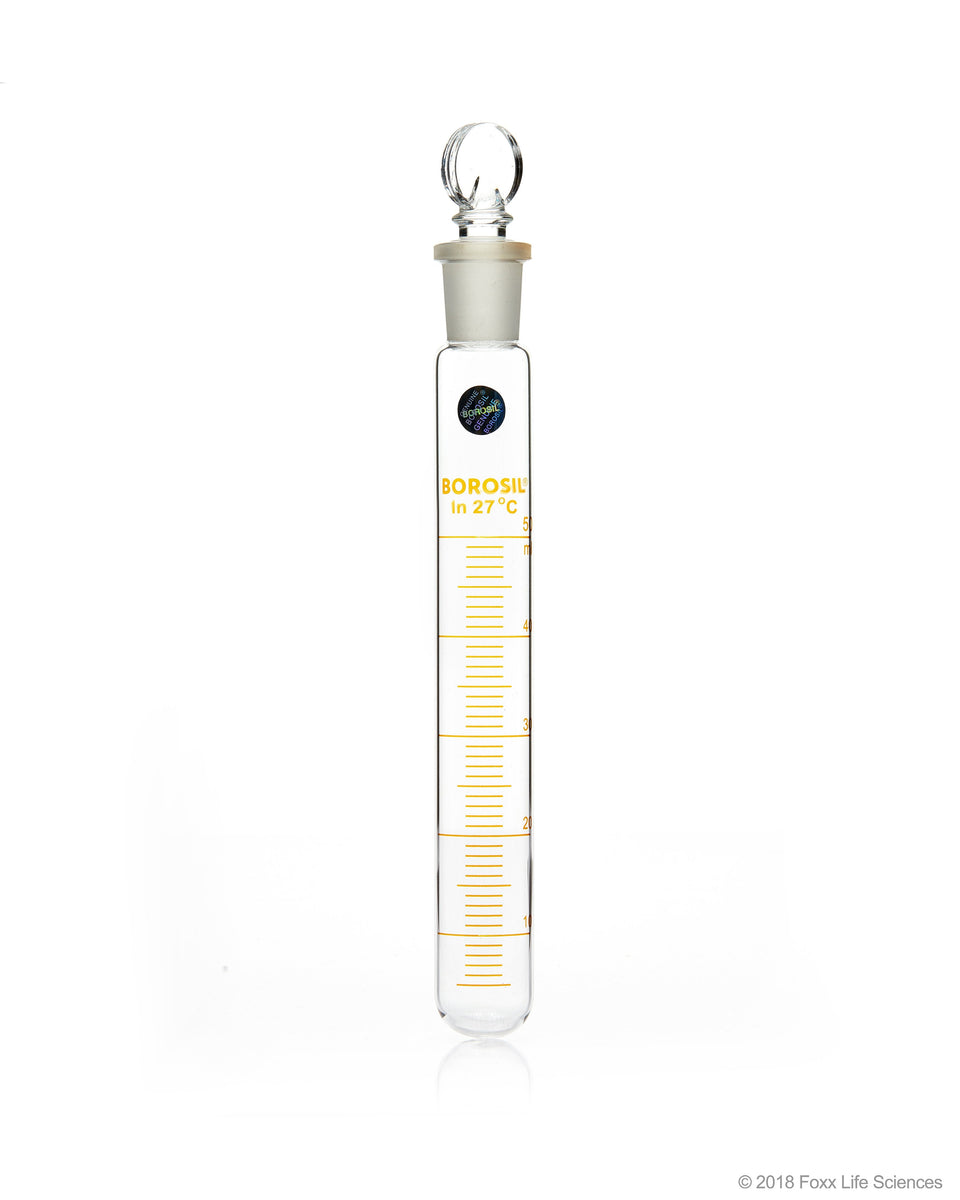
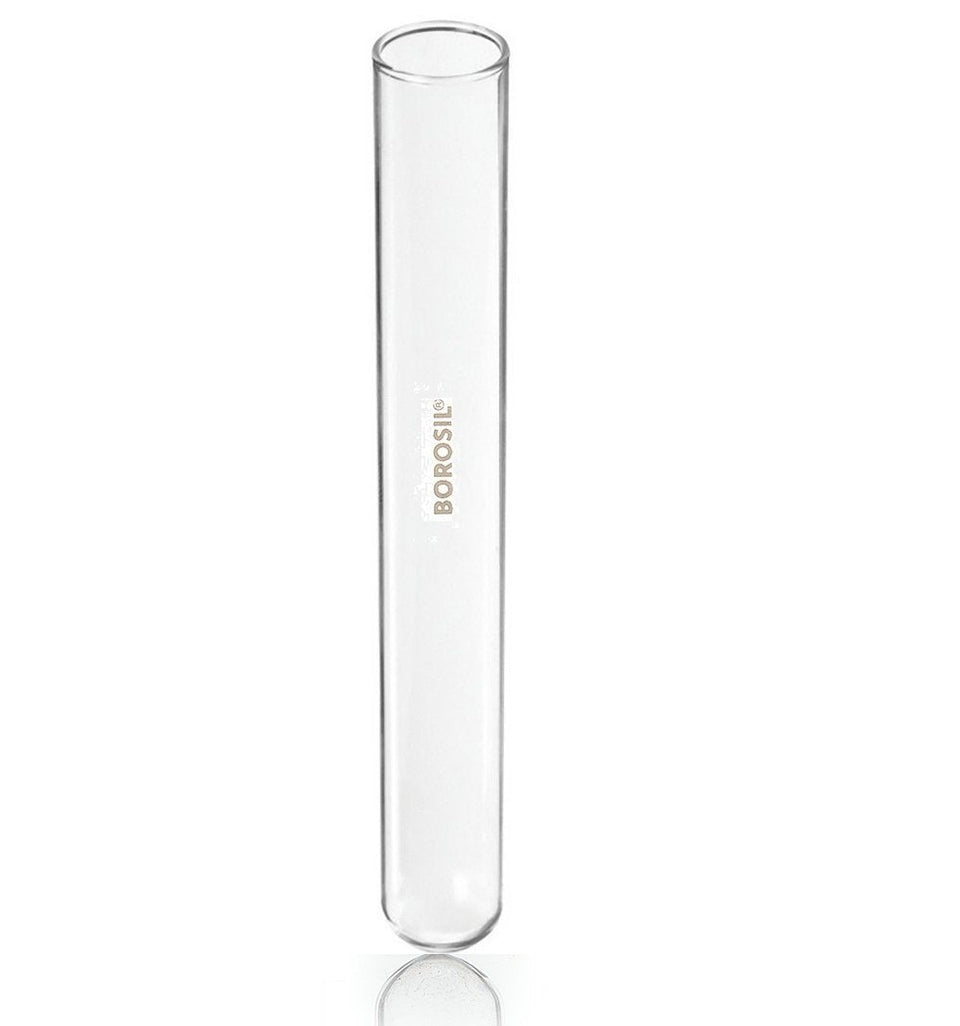
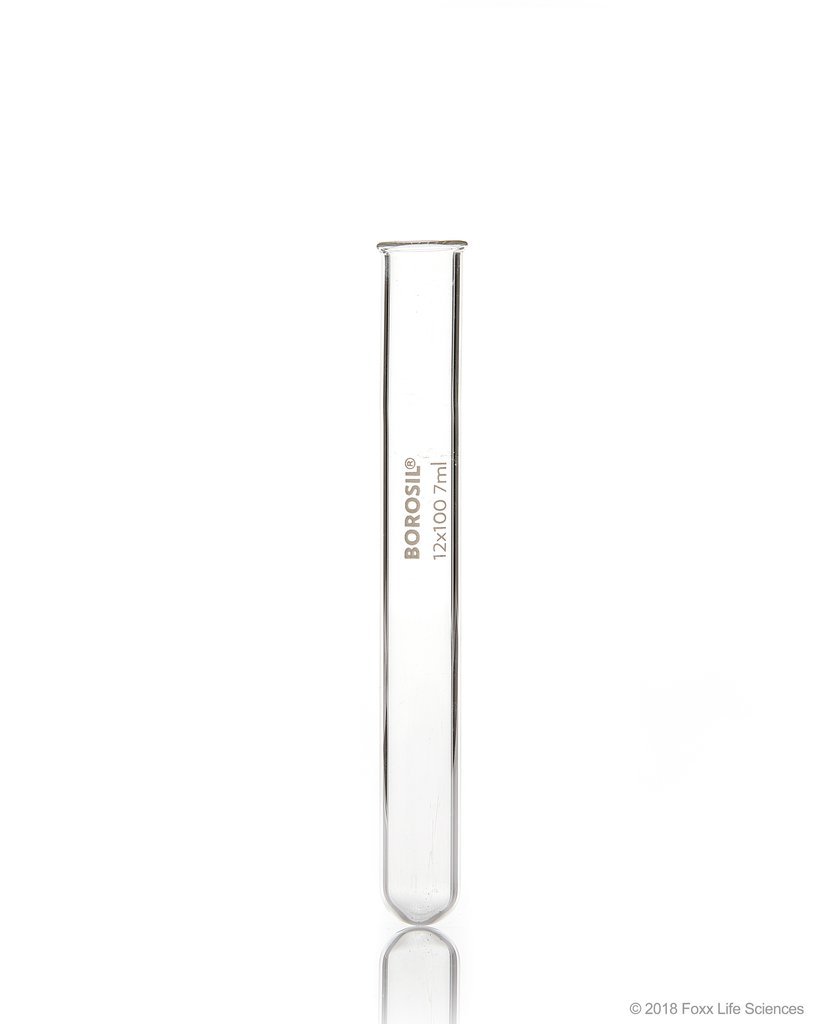
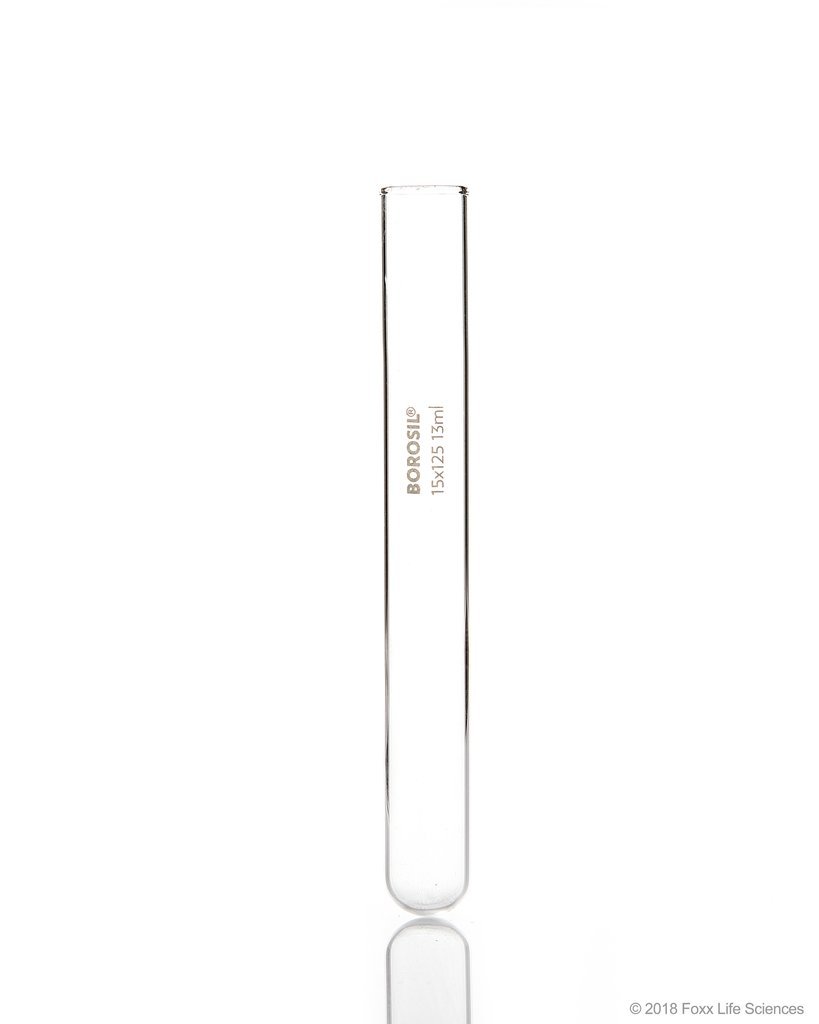
Borosil® Test Tubes comply with IS 2618, ISO/ DIN 4142 and are designed with a rim and a round bottom. The test tubes are made thick-walled with borosilicate glass to be mechanically resistant. These test tubes have a high thermal shock resistance. Test tubes are used to hold, mix, and heat chemical experiments.

Global FAQ

Frequently Asked Questions

General lab safety FAQs applicable to all categories and products.

Where can I find reliable liquid handling solutions?
You can find professional grade liquid management solutions at LabSafetyShop designed for efficiency safety and compliance.
How often should liquid handling equipment be maintained?
Regular inspections and cleaning should be done based on usage frequency and chemical exposure to ensure optimal performance.
Why is proper liquid waste management important?
Proper liquid waste management prevents contamination improves safety and ensures compliance with laboratory regulations.
How do liquid handling systems improve lab productivity?
They reduce manual effort minimize errors prevent spills and streamline workflows allowing lab staff to work faster and more accurately.
What are liquid handling solutions in a laboratory?
Liquid handling solutions include products used for transferring dispensing storing and disposing of liquids safely and efficiently within a lab.
Are modern laboratory safety equipment solutions sustainable?
Yes, many new products are designed with reusable materials and ecofriendly manufacturing practices while maintaining safety standards.
What is the most important laboratory safety trend for 2026?
Improved waste management and disposal systems are the top priority due to stricter regulations and increased hazardous waste generation.