
































Laboratory Containers
7 subcategories

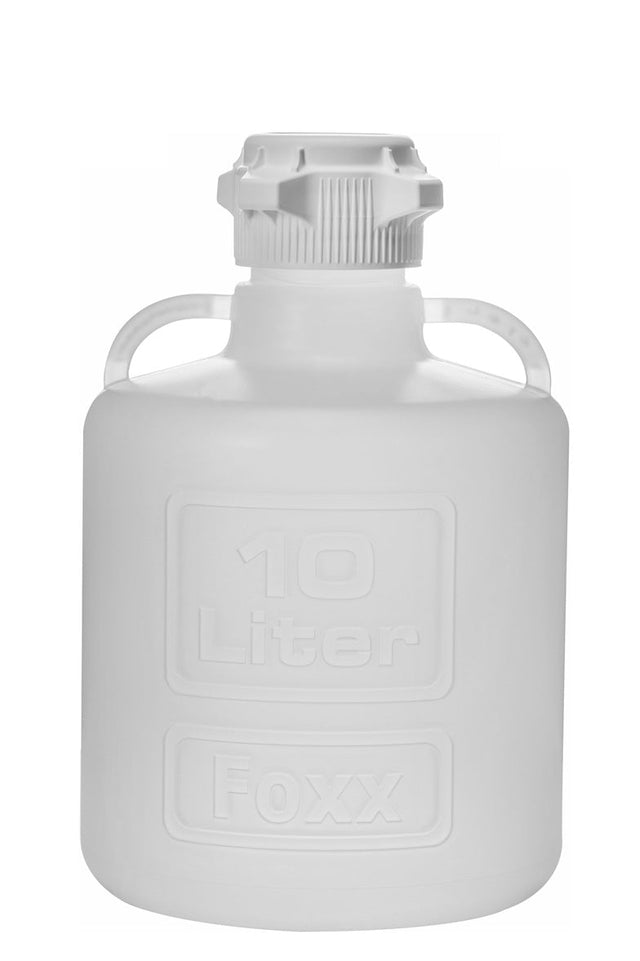
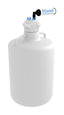
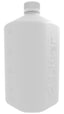
Carboys
Inside Carboys
 Round Carboy
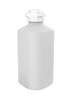
 HDPE Carboys
 Polypropylene (PP) Carboys
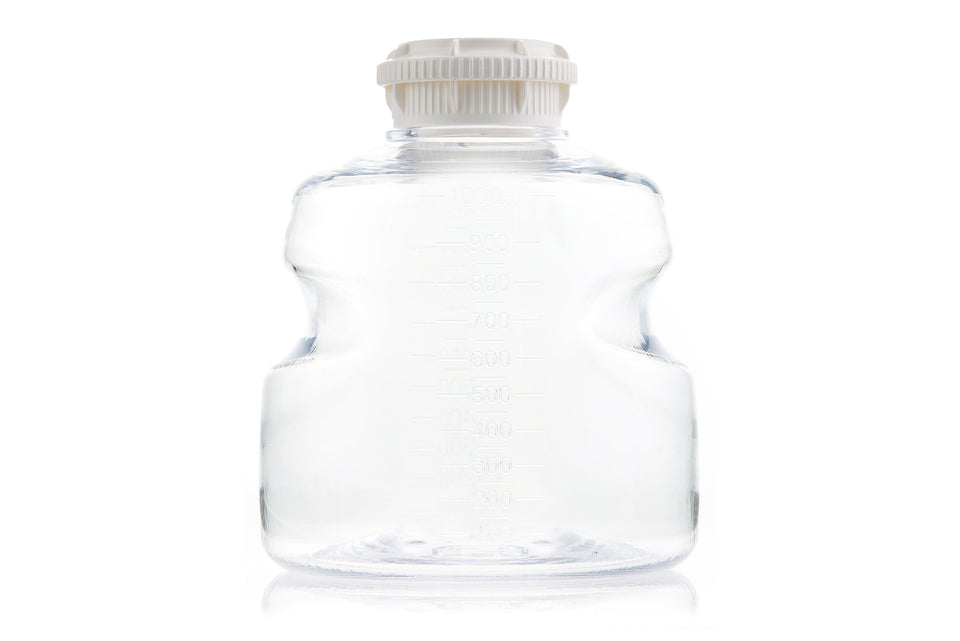
 PETG Carboys
 Polycarbonate (PC) Carboys
 HDPE Amber Carboys
 PP Dark Amber Carboys
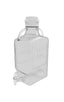
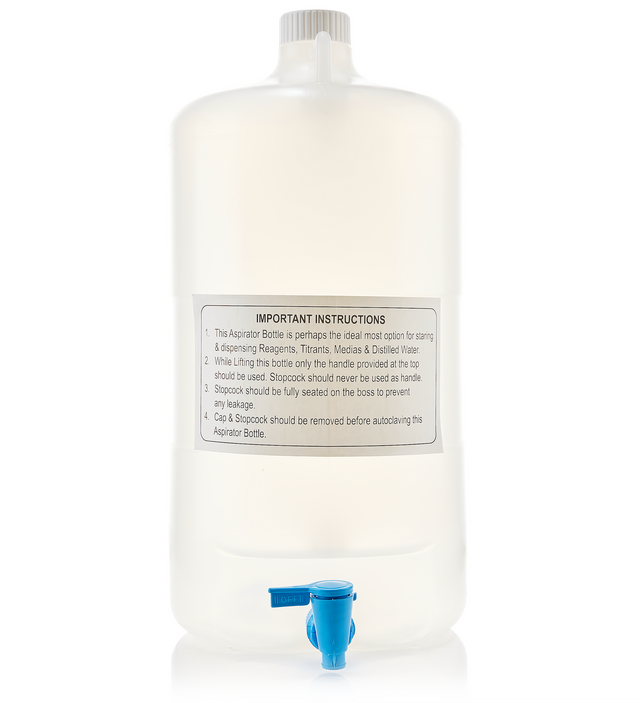
 Carboys with Spigot
 Non-Sterile Carboys
 Sterile Carboys
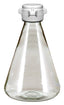
 Glass Carboys
 Wide Mouth Carboys - PP
 Carboy Caps & Adapters
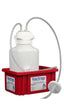
 Secondary Containers for Carboys
 Carboy Accessories





Related FAQ
Laboratory Containers FAQ
Frequently asked questions about this collection.
