


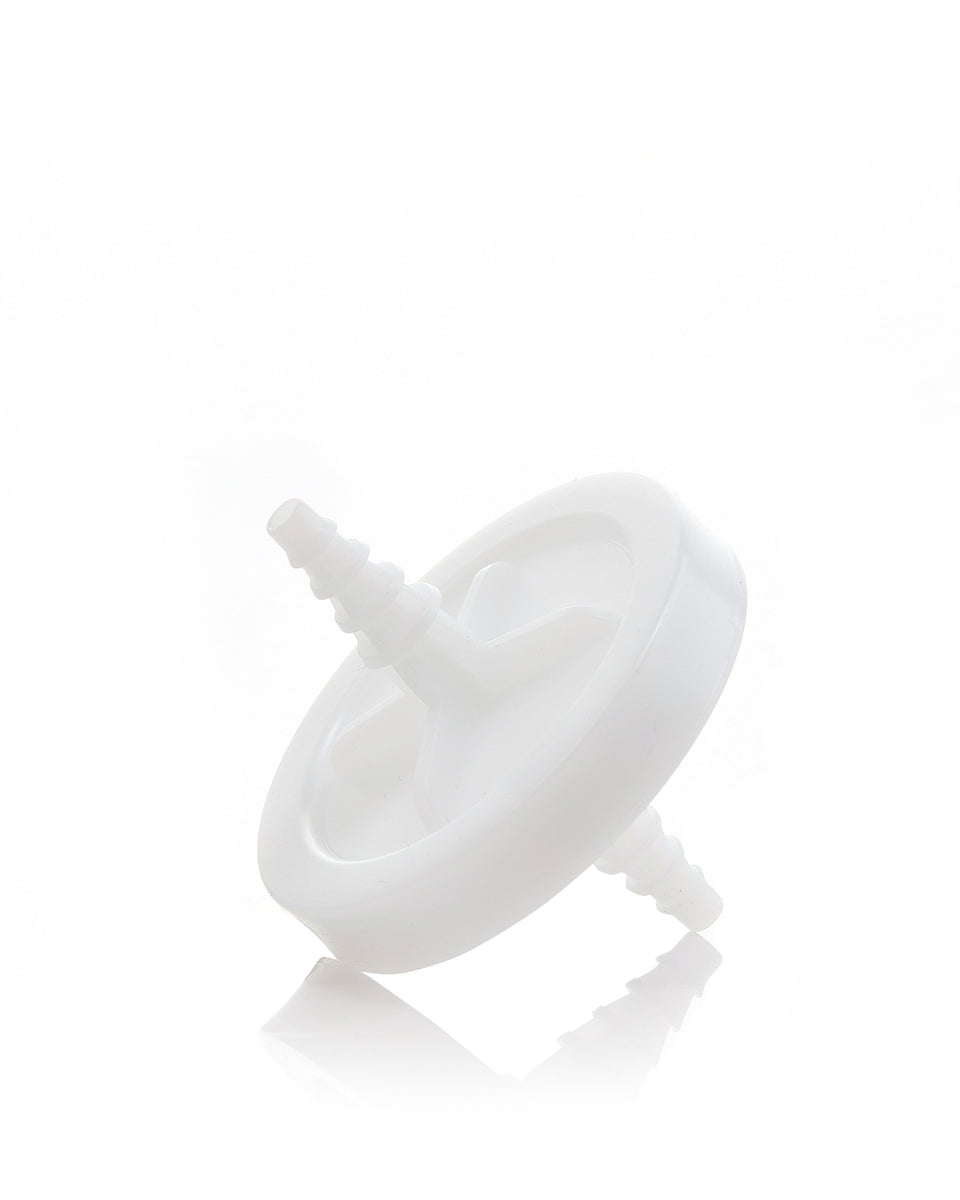
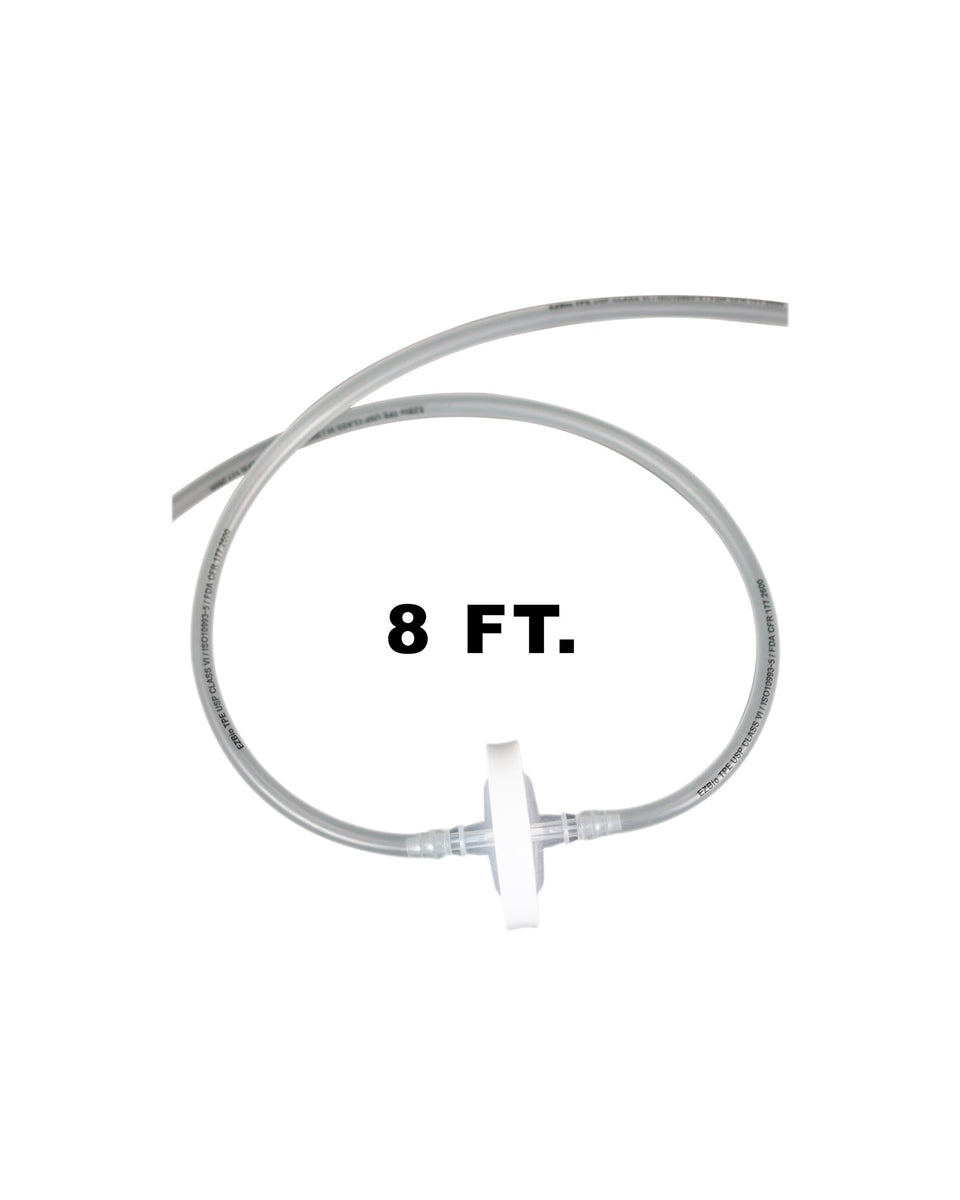
Vent and Solvent FiltersVent and Solvent Filters — related categoryVent and Solvent Filters — related categoryVent and Solvent Filters — related category

Vent and Solvent Filters

5 subcategories

Laboratory Vent & Solvent Filters for Carboys, Air & Gas Filtration

Explore laboratory vent and solvent filters designed to support controlled air exchange, particulate retention, and filtration of compatible laboratory liquids and gases. Vent filters are important components of laboratory carboys, media containers, bioreactors, and fluid handling systems, helping reduce the introduction of airborne contaminants during filling, dispensing, storage, and pressure equalization. Proper filter selection supports reliable laboratory operations while protecting sensitive processes and stored solutions.

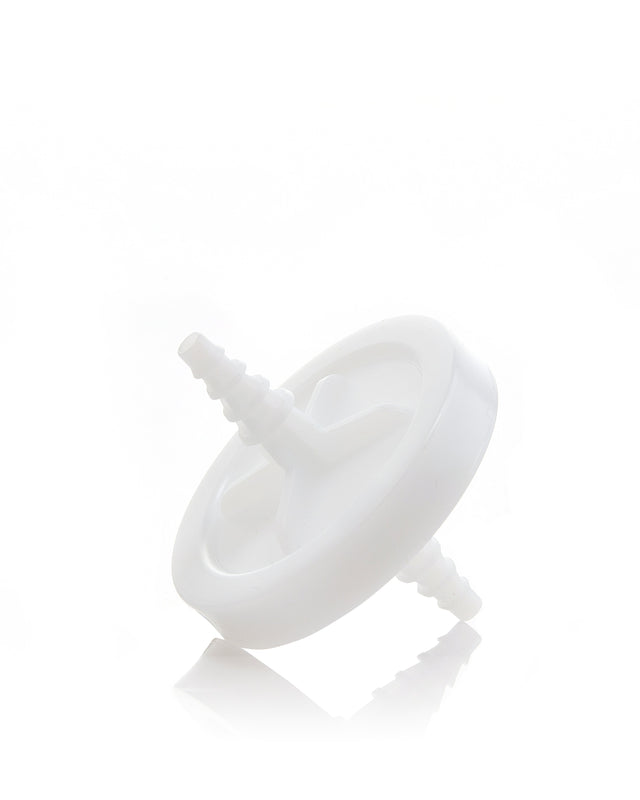
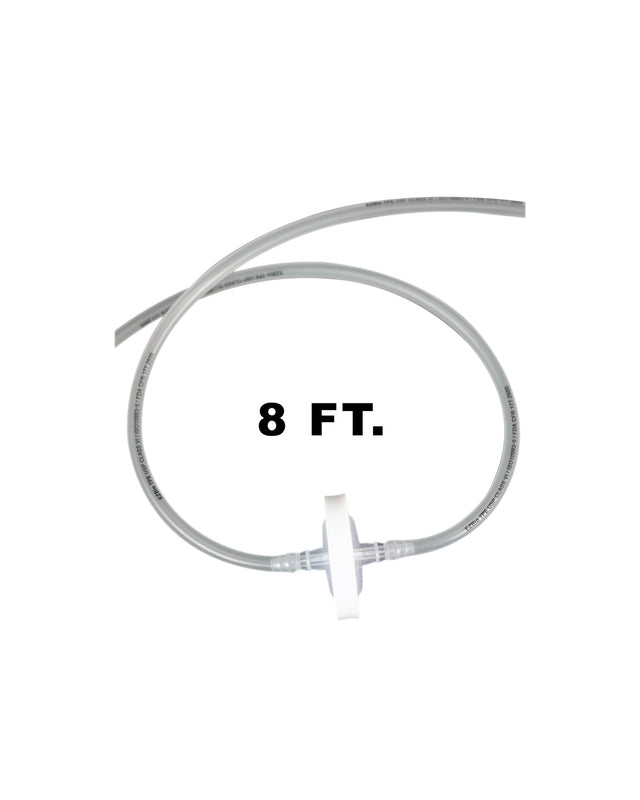
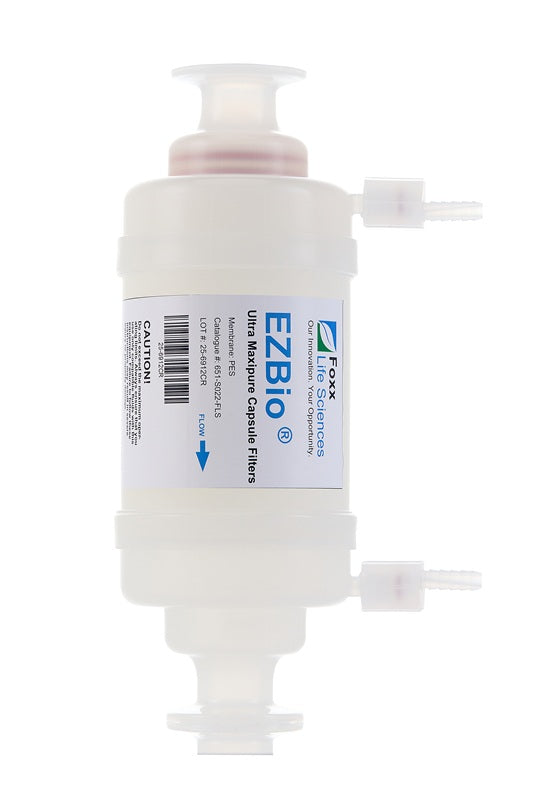
At LabSafetyShop, discover hydrophobic PTFE vent filters, carboy vent filters with tubing, air and gas capsule filters, and PES membrane capsule filters for laboratory and bioprocess applications. Available configurations include polypropylene filter housings, stepped hose barb connections, and selected hydrophobic PTFE vent filters in 0.2 µm and 1.0 µm pore sizes. Different filter designs support carboy venting, compatible air and gas filtration, aqueous process fluid filtration, and controlled venting of laboratory vessels.

Whether you're venting a laboratory carboy, maintaining a filtered air pathway, or selecting capsule filters for compatible process fluids, LabSafetyShop makes it easier to source dependable laboratory vent filters and membrane filtration solutions. Choose the appropriate membrane material, pore size, filter capacity, connection type, chemical compatibility, and sterilization specifications for your application.
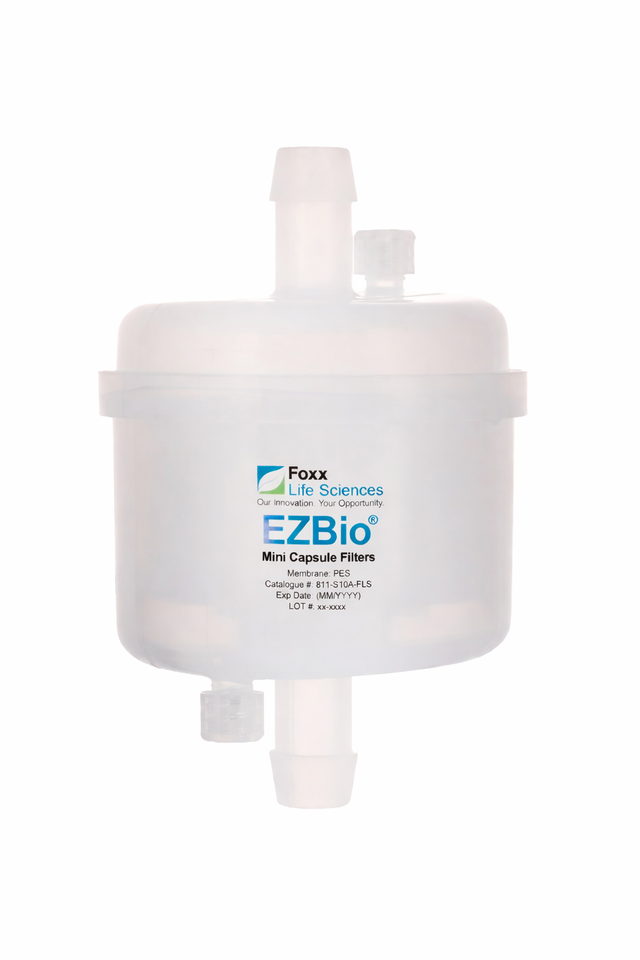
Recently Viewed

Still Comparing? Your Recently Viewed

Products you recently checked out

Related FAQ

Vent And Solvent Filters FAQ

Frequently asked questions about this collection.

What are laboratory vent and solvent filters used for?

Laboratory vent and solvent filters support filtration and controlled air exchange in laboratory containers and processing systems. Depending on their design, they can help reduce airborne particulate contamination, filter compatible gases, clarify process liquids, or provide filtered venting for carboys, bioreactors, and other laboratory vessels.

What types of vent and solvent filters are available at LabSafetyShop?

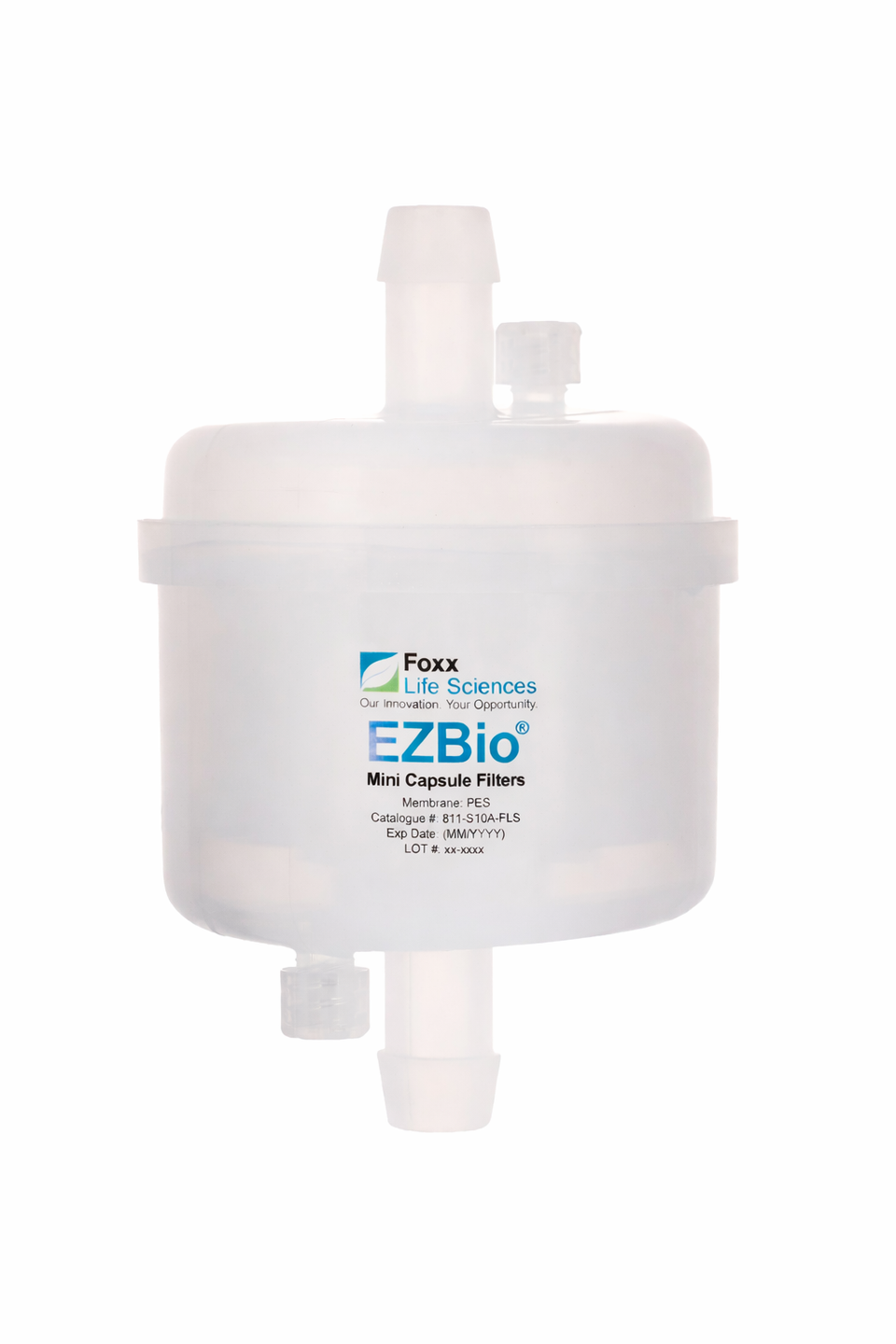
LabSafetyShop offers hydrophobic PTFE vent filters, carboy vent filters with tubing, PTFE air and gas capsule filters, PES liquid filtration capsule filters, and mini capsule filters. Available configurations differ in membrane material, pore size, filter dimensions, and connection type.

What is the difference between PTFE and PES membrane filters?

PTFE membranes are available in hydrophobic configurations commonly used for air and gas filtration, vessel venting, and compatible solvent applications. PES membranes are generally hydrophilic and commonly selected for aqueous liquid filtration, including buffers and process fluids. Selection depends on the fluid, chemical compatibility, retention requirements, and filter design.

What is the purpose of a hydrophobic PTFE carboy vent filter?

A hydrophobic PTFE carboy vent filter allows air to pass while resisting liquid penetration under specified conditions. It can help reduce the introduction of airborne contaminants during liquid withdrawal, filling, or pressure equalization. Filter performance depends on pore size, membrane integrity, flow rate, and operating conditions.

Can vent filters be used during autoclaving?

Certain PTFE vent filters are designed for specified autoclave cycles, including controlled venting of compatible laboratory carboys. However, not every filter or tubing assembly is autoclavable. Verify the product's temperature limits, sterilization instructions, and permitted number of cycles before use.

How do I choose the correct laboratory vent or solvent filter?

Select a filter based on filtration application, membrane material, pore size, chemical compatibility, airflow or liquid flow requirements, housing material, connection size, and sterilization requirements. For air and gas filtration, consider hydrophobic membrane performance; for aqueous process liquids, review hydrophilic membrane suitability. A standard membrane vent filter should not be assumed to remove solvent vapors or replace laboratory ventilation.