









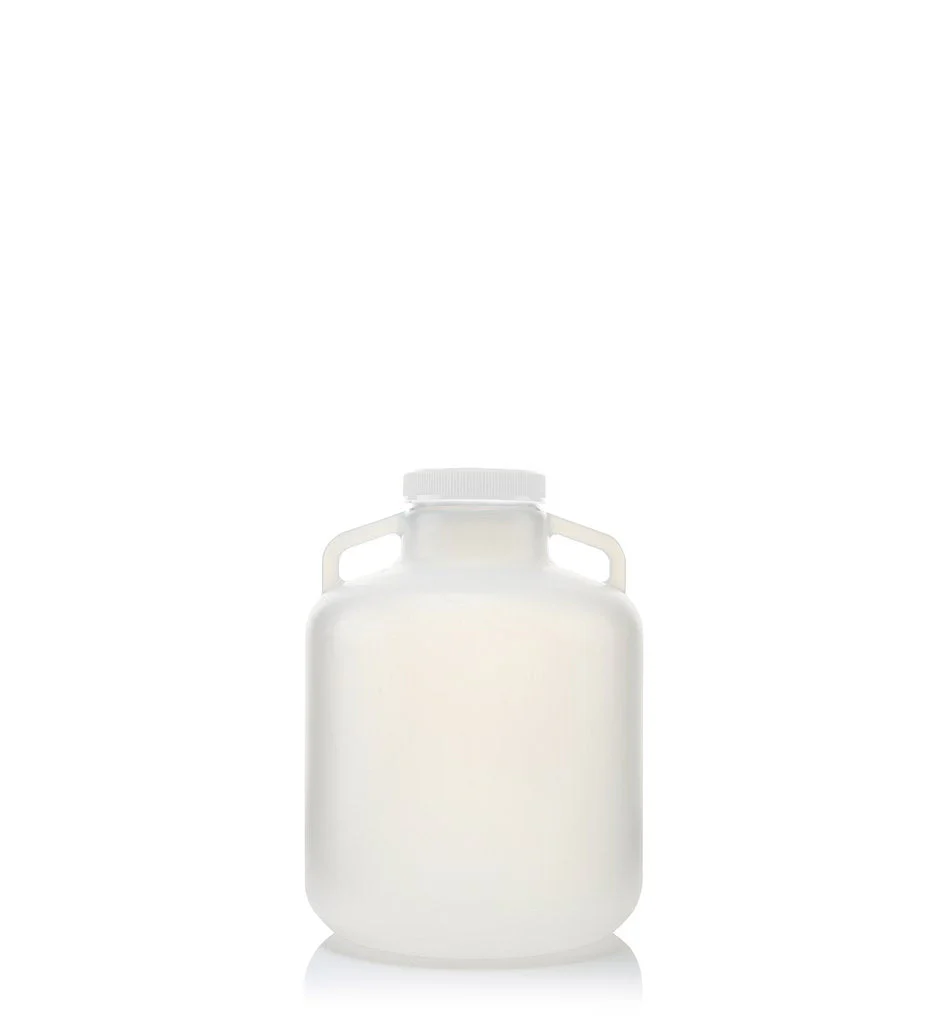
Understanding Wide Mouth Carboys and Their Role in Laboratory Operations
Efficient liquid handling is a critical part of laboratory, industrial, and plastic manufacturing environments. Whether storing reagents, culture media, buffers, purified water, or chemicals, selecting the right storage container directly impacts safety, workflow efficiency, and contamination control. Wide-mouth carboys are designed to simplify liquid storage and transfer by providing a larger opening than conventional containers. This design allows users to fill, mix, clean, and dispense liquids more easily while reducing the risk of spills and product loss.
A polypropylene carboy is commonly used because of its durability, chemical resistance, lightweight construction, and compatibility with various laboratory applications. In research facilities, pharmaceutical manufacturing plants, biotechnology laboratories, and industrial production environments, these containers support safe and organized liquid management.

Why Wide-Mouth Carboys Improve Liquid Handling Efficiency
One of the biggest challenges in liquid handling is transferring materials without contamination or waste. A wide-mouth laboratory container provides easier access during filling and cleaning operations, especially when handling large liquid volumes. The larger opening accommodates funnels, mixing tools, and sampling equipment, reducing operational complexity.
For laboratories processing media, reagents, or chemical solutions, laboratory carboys help streamline workflows by minimizing transfer steps. The inclusion of dispensing systems such as spigots further improves accuracy during liquid dispensing, reducing operator effort and improving workplace safety.
Additionally, chemical-resistant carboys are designed to withstand exposure to many laboratory chemicals, making them suitable for routine storage and transportation tasks across multiple industries.
Key Technical Features of Polypropylene Carboys
Modern polypropylene carboys are engineered to meet demanding laboratory requirements. Polypropylene offers excellent mechanical strength while remaining lightweight compared to glass alternatives. This reduces breakage risks and improves handling efficiency.
Important technical characteristics include:
Chemical-resistant polypropylene construction
Leak-resistant closure systems
Wide mouth design for easy cleaning and filling
Large-volume liquid storage capabilities
Autoclavable for sterilization processes
Lightweight and durable construction
These features make laboratory liquid storage containers ideal for environments where cleanliness, durability, and operational efficiency are essential.
Common Uses of Wide Mouth Carboys
The versatility of wide-mouth carboys allows them to support numerous laboratory and industrial applications. They are commonly used for storing purified water, buffer solutions, culture media, reagents, cleaning agents, and process liquids. In biotechnology and pharmaceutical facilities, they assist with media preparation, sample collection, and liquid transportation.
Industrial facilities and plastic manufacturing operations also utilize chemical storage carboys for temporary storage and dispensing of production-related liquids. Their large capacity and user-friendly design make them practical for routine handling tasks where frequent access to stored materials is required.
Because they are easy to clean and maintain, these containers are often selected for applications that require repeated use and stringent hygiene standards.
Supporting Laboratory Safety and Contamination Control
Proper liquid storage contributes significantly to laboratory safety. A high-quality laboratory storage container helps prevent leaks, cross-contamination, and accidental exposure to stored materials. The wide-mouth design allows personnel to inspect, clean, and sanitize containers more thoroughly than narrow-neck alternatives.
Many organizations also prefer autoclavable carboys because they can be sterilized between uses, supporting compliance with laboratory protocols. This capability is particularly valuable in biotechnology, life science research, pharmaceutical manufacturing, and quality control operations where contamination control remains a top priority.

Why Labsafetyshop Stands Out
Labsafetyshop offers a comprehensive selection of durable liquid storage solutions designed for laboratory, industrial, and manufacturing applications. Their product range focuses on reliability, chemical resistance, ease of use, and efficient liquid handling, helping organizations maintain safe and productive workflows while meeting demanding operational requirements.
Conclusion
As laboratories and industrial facilities continue to prioritize efficiency and safety, wide-mouth carboys remain an essential solution for liquid storage and handling. Their user-friendly design, chemical resistance, durability, and ease of maintenance make them valuable tools for managing reagents, chemicals, media, and process liquids. Investing in the right laboratory liquid storage container can improve workflow efficiency, reduce contamination risks, and support long-term operational success.
Frequently Asked Questions
What is a wide-mouth carboy used for?
Wide-mouth carboys are commonly used for storing, mixing, transporting, and dispensing laboratory liquids such as chemicals, media, reagents, buffers, and purified water.
Why is polypropylene preferred for laboratory carboys?
Polypropylene provides excellent chemical resistance, durability, lightweight handling, and compatibility with sterilization processes, making it suitable for many laboratory applications.
3. Are wide-mouth carboys easier to clean?
Yes. The larger opening allows better access for cleaning tools and visual inspection, helping users maintain cleanliness and reduce contamination risks.
Can carboys be used in industrial manufacturing facilities?
Yes. Many industrial and plastic manufacturing facilities use chemical-resistant carboys for liquid storage, transportation, dispensing, and process support operations.
What should be considered when selecting a laboratory carboy?
Important factors include capacity, material compatibility, chemical resistance, dispensing requirements, sterilization needs, durability, and ease of cleaning.


Leave a Comment