


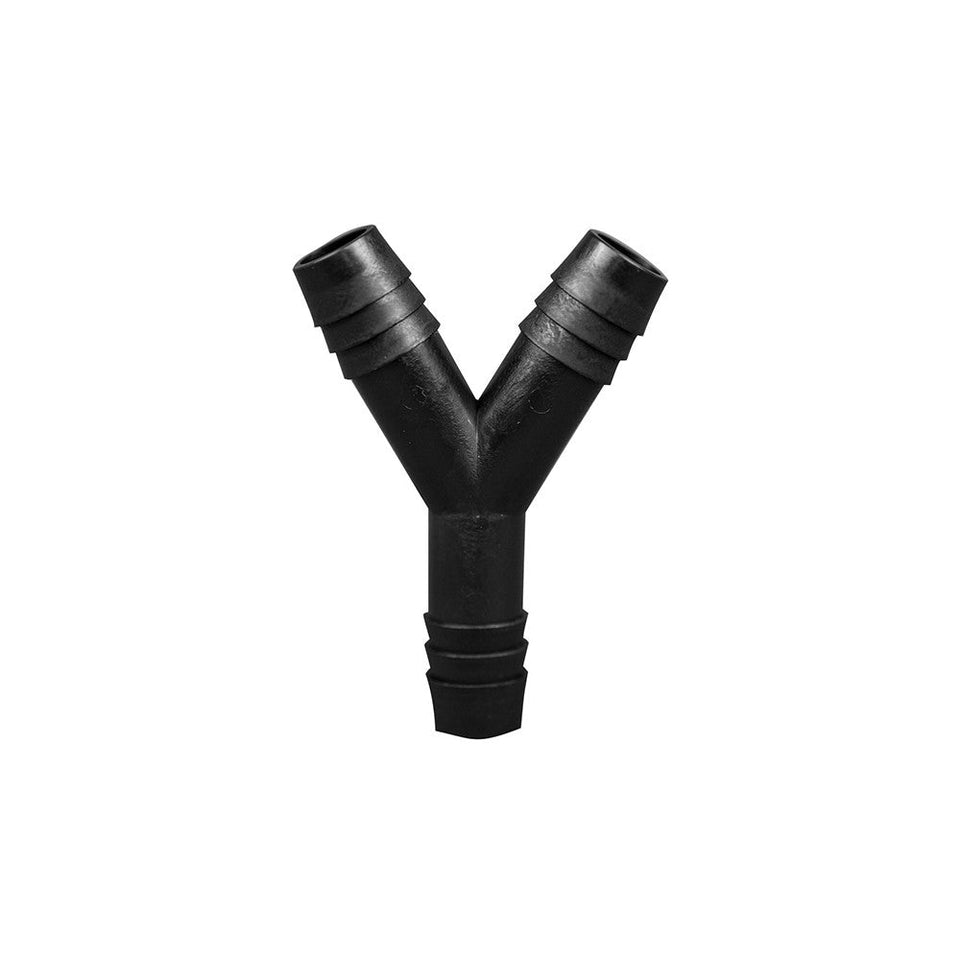
Tubing ConnectorsTubing Connectors — related categoryTubing Connectors — related category

Tubing Connectors

3 subcategories
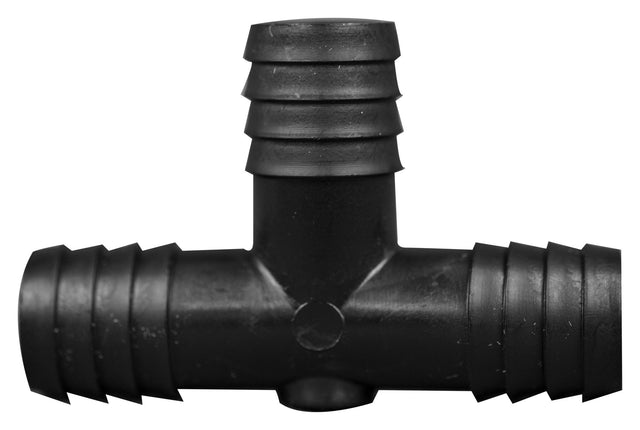
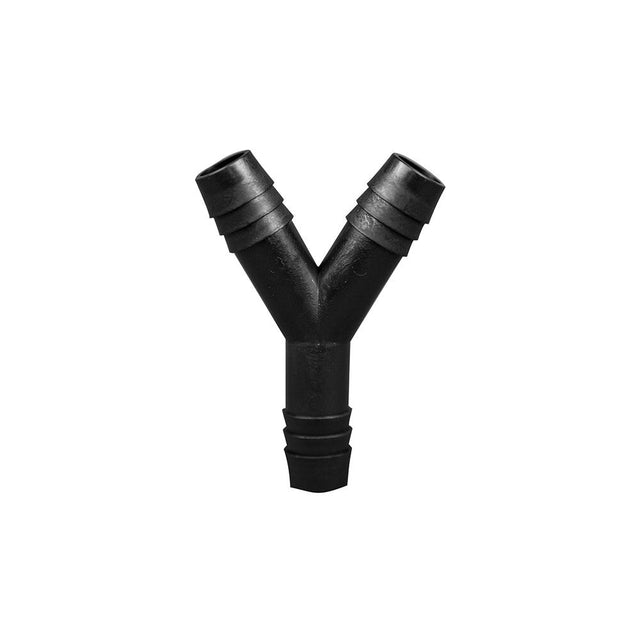
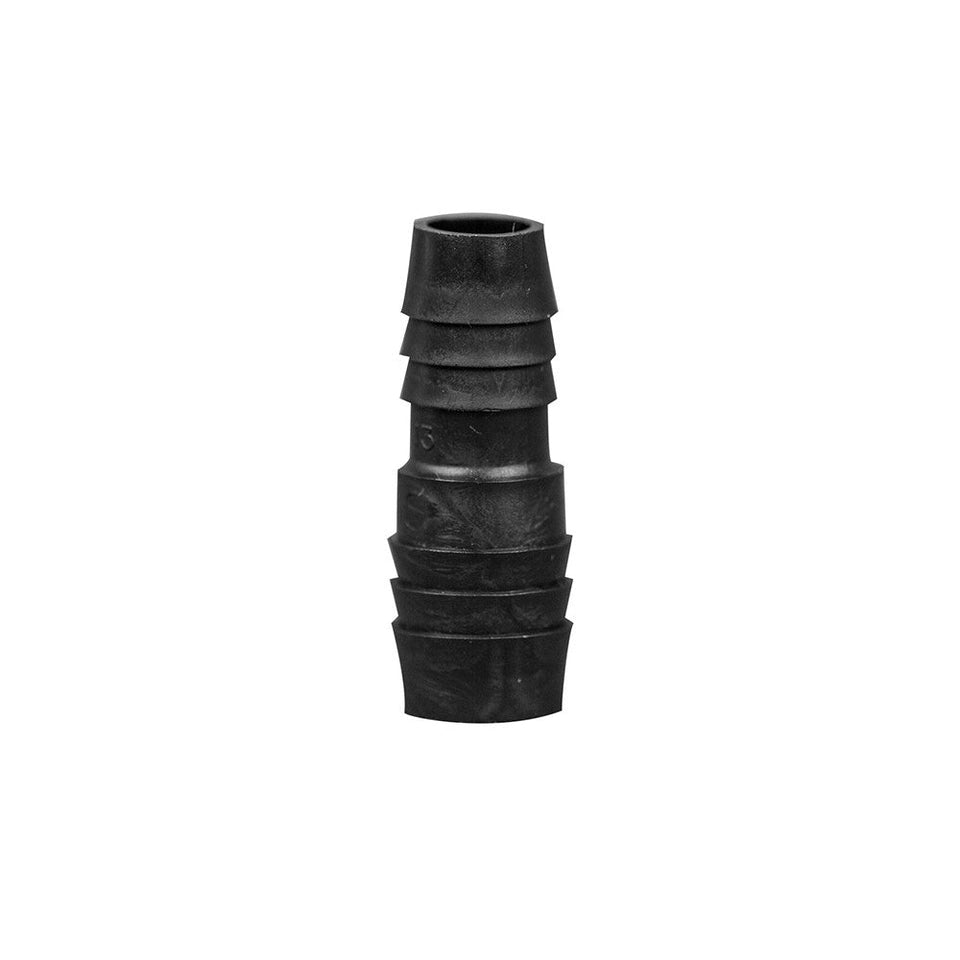
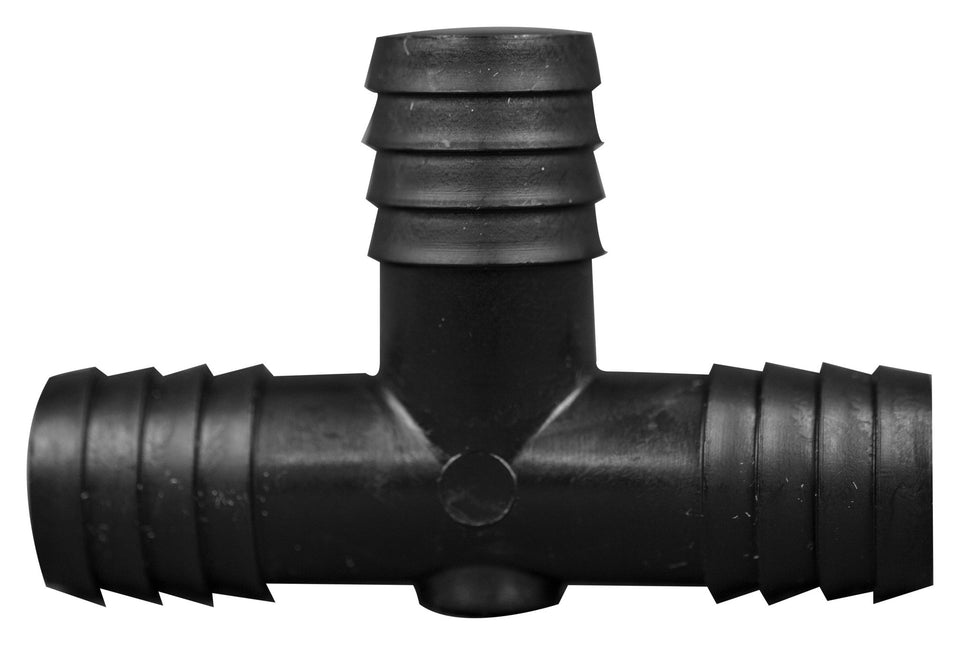
LabSafetyShop.com offers a line of tubing adapters including reducers, T-connectors, and Y-connectors. With materials such as polyethylene and polypropylene, our connectors are structured for durability and long-term use. Each unit provides secure, efficient, and watertight connection.

Browse through the pages below to learn more about the different kinds of tubing adapters.
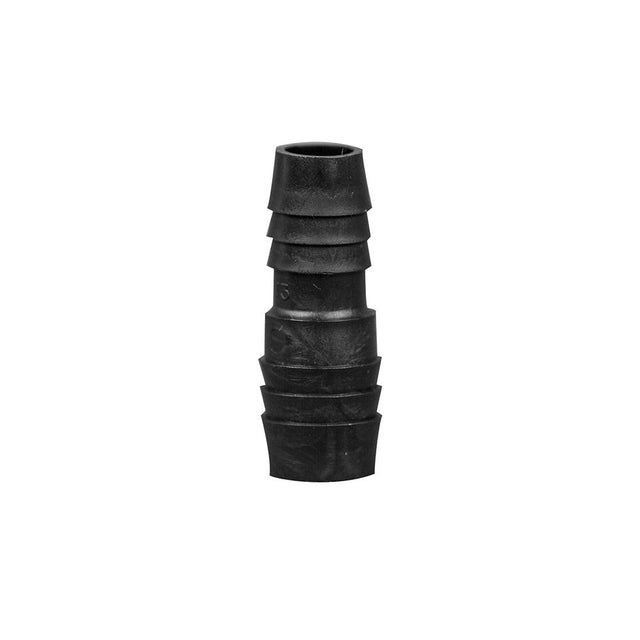
Recently Viewed

Still Comparing? Your Recently Viewed

Products you recently checked out

Related FAQ

Tubing Connectors FAQ

Frequently asked questions about this collection.

What are laboratory tubing connectors used for?

Laboratory tubing connectors are used to join flexible tubing, connect tubing of different sizes, and create branching connections in fluid transfer systems. They are commonly used in laboratory liquid handling, chemical transfer, sampling lines, and compatible process assemblies.

What types of tubing connectors are available at LabSafetyShop?

LabSafetyShop offers three main types of laboratory hose barb connectors: reducers, T-connectors, and Y-connectors. These fittings support tubing size transitions and three-way connections for compatible laboratory fluid transfer applications.

What is the difference between a reducer, T-connector, and Y-connector?

A reducer connects two tubing lines with different inside diameters. A T-connector joins three tubing lines in a T-shaped configuration, while a Y-connector joins three lines through a Y-shaped arrangement. The appropriate fitting depends on tubing dimensions, system layout, and fluid flow requirements.

What materials are used for laboratory tubing connectors?

Laboratory tubing connectors in this collection are made from polyethylene (PE) and polypropylene (PP). These lightweight plastic materials are suitable for many compatible laboratory liquids, but their resistance to chemicals, solvents, and temperature varies. Always verify material compatibility for the intended application.

How do I select the correct hose barb connector size?

Choose a hose barb connector based on the tubing's inside diameter (ID) and the fitting's specified barb size. Check the tubing material, flexibility, wall thickness, and operating pressure. A compatible clamp may be required depending on the application and connection requirements.

Are laboratory tubing connectors suitable for chemical and solvent transfer?

Plastic tubing connectors can be used for compatible chemicals and solvents, provided the connector material and tubing are suitable for the fluid and operating conditions. Polyethylene and polypropylene are not universally compatible with all solvents. Verify chemical resistance, temperature limits, pressure requirements, and connection integrity before