




Order Today! 1-603-890-3699 | SUMMER SALE FLAT 15% OFF
Cart 0
Order Today! 1-603-890-3699 | SUMMER SALE FLAT 15% OFF

News — NFPA standards

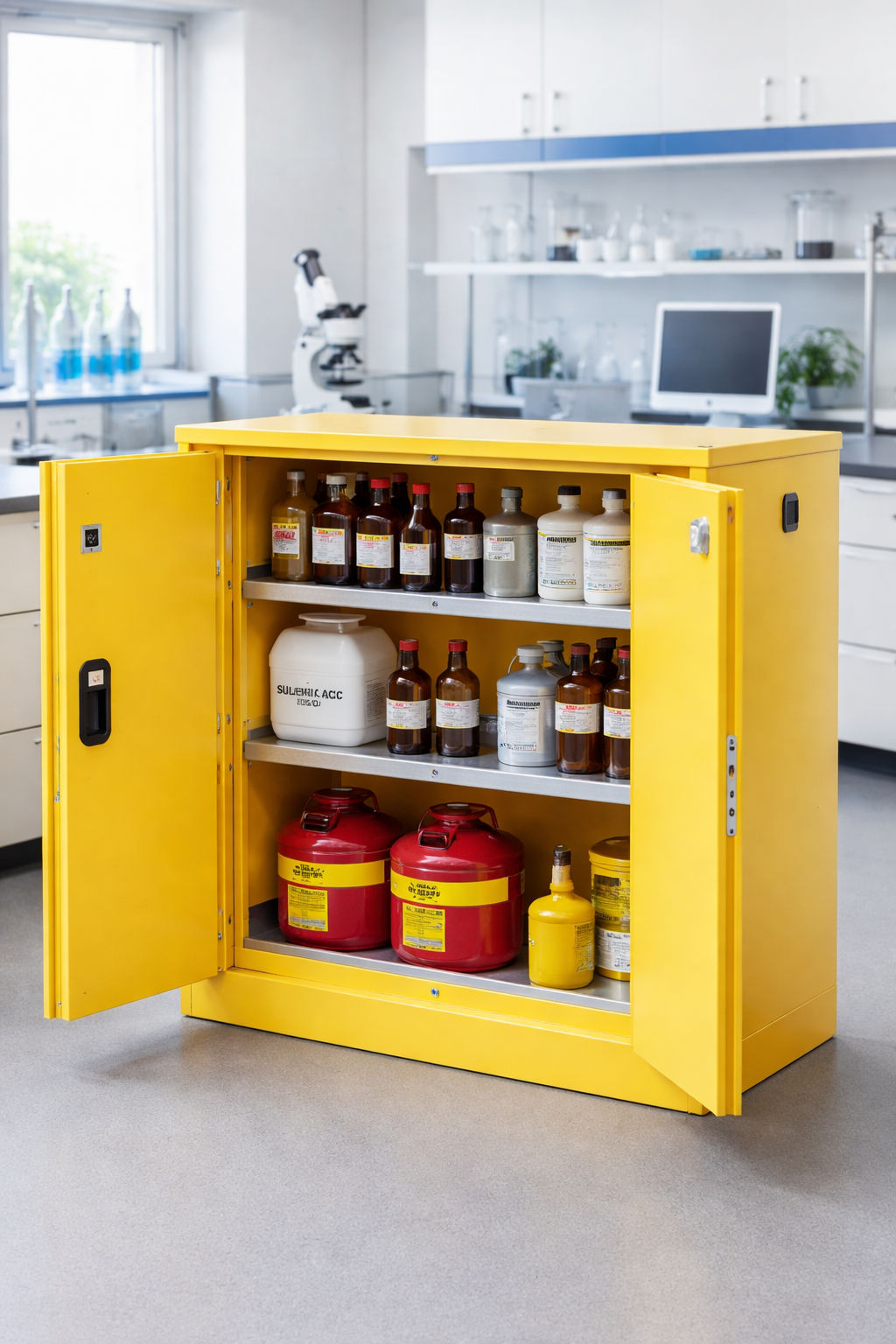
What Makes a Safety Storage Cabinet Compliant and Effective

What Makes a Safety Storage Cabinet Compliant and Effective

chemical storage fire resistant cabinets hazardous chemical storage laboratory safety news NFPA standards OSHA compliance Safety storage cabinets spill containment

Hazardous chemicals demand proper storage. This guide ensures your lab avoids violations and protects people by detailing compliant cabinet features, materials, and essential safety practices.

Key Safety Standards for Laboratory Storage Cabinets Explained

Key Safety Standards for Laboratory Storage Cabinets Explained

Acid base storage cabinets Chemical storage cabinets Flammable liquid storage Lab safety standards Laboratory safety compliance Laboratory storage cabinets news NFPA standards OSHA chemical storage

Lab safety hinges on compliant storage cabinets. We explain vital NFPA and OSHA standards for chemicals, flammables, acids, and bases. Safeguard your team, prevent hazards, and ensure full regulatory compliance.

Frequently Asked Questions

You can find professional grade liquid management solutions at LabSafetyShop designed for efficiency safety and compliance.
Regular inspections and cleaning should be done based on usage frequency and chemical exposure to ensure optimal performance.
Proper liquid waste management prevents contamination improves safety and ensures compliance with laboratory regulations.
They reduce manual effort minimize errors prevent spills and streamline workflows allowing lab staff to work faster and more accurately.
Liquid handling solutions include products used for transferring dispensing storing and disposing of liquids safely and efficiently within a lab.
Yes, many new products are designed with reusable materials and ecofriendly manufacturing practices while maintaining safety standards.
Biohazard waste containers should be used for biological materials, contaminated consumables and infectious waste to prevent cross contamination.
They minimize splash back, reduce exposure risks and make liquid waste handling safer for lab personnel.
They help safely store and segregate hazardous waste, prevent spills and ensure compliance with safety guidelines.
Improved waste management and disposal systems are the top priority due to stricter regulations and increased hazardous waste generation.

Delivery Information