Glass PipettesGlass Pipettes — related categoryGlass Pipettes — related categoryGlass Pipettes — related category

Glass Pipettes

118 products

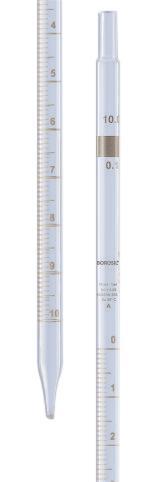
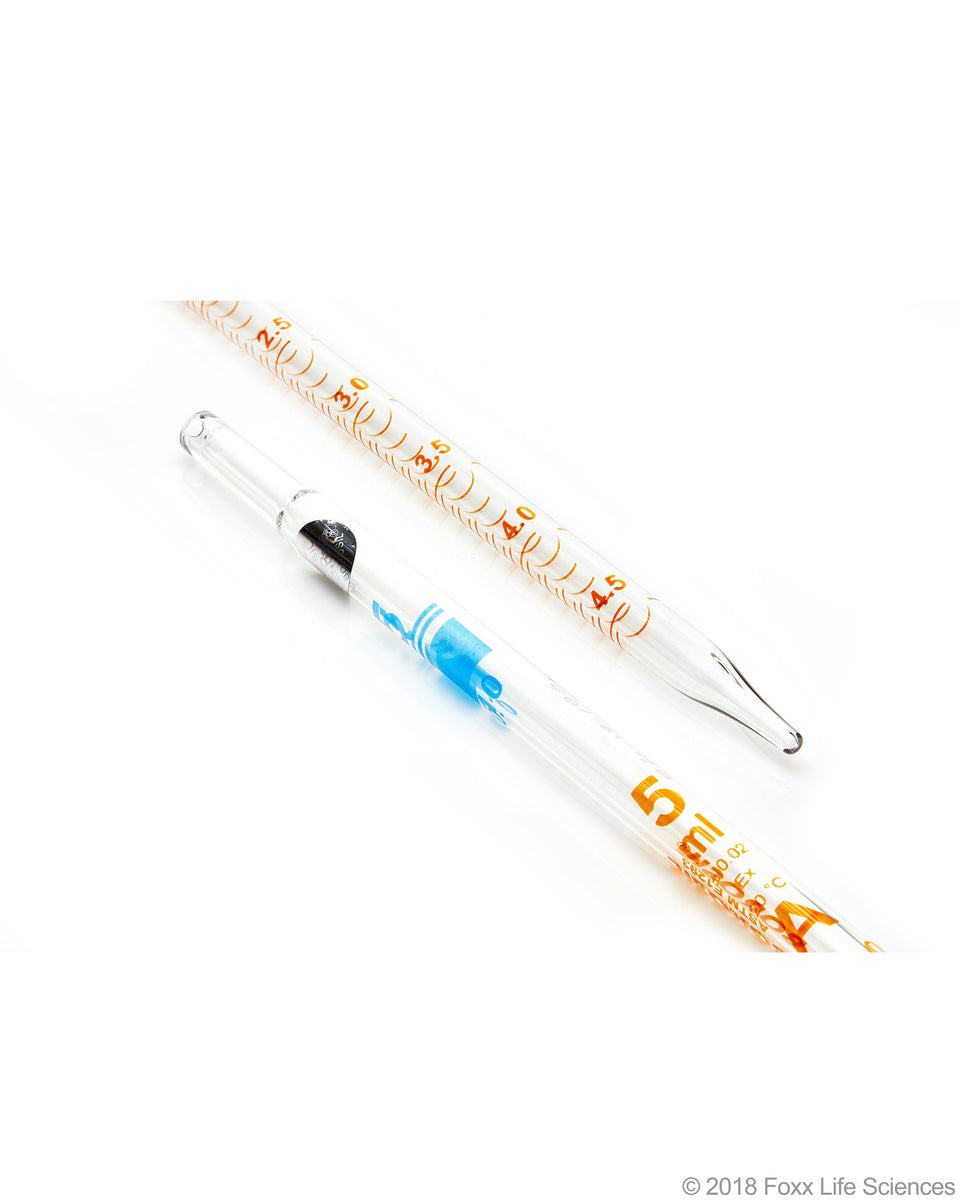
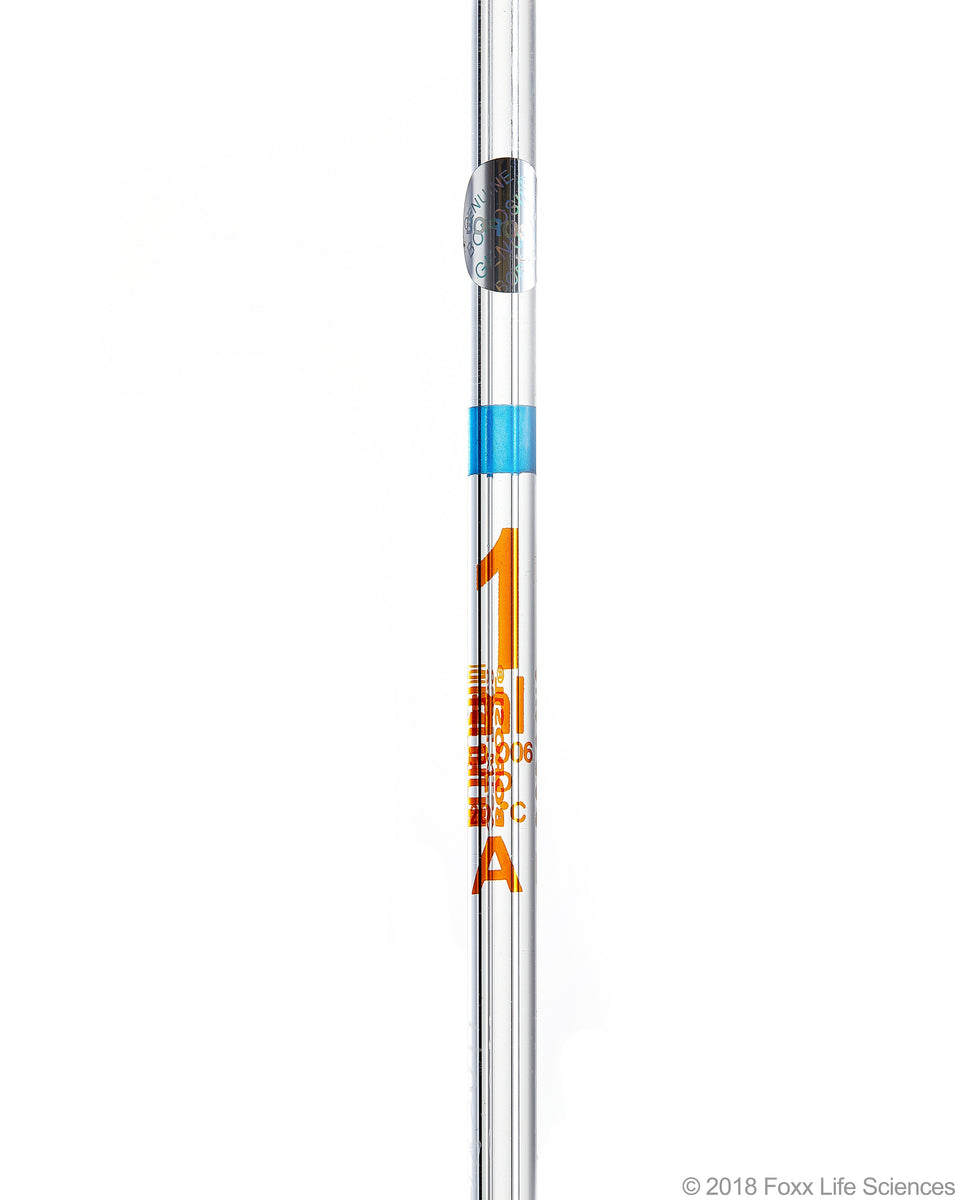
Borosil® Reusable Class A Serological Pipettes are graduated using a permanent amber treatment that will not blur, wear, or wash off even after long-term use. Each pipette is individually calibrated by automatic, laser-controlled calibration equipment in an ISO/IEC 17025:2005 accredited calibration facility. Each Borosil® Pipette is engraved with a unique individual serial number, which can be used to download an individual certificate by visiting Borosil's website, Borosil.com, or by downloading the Borosil app onto a smarthphone or tablet.

Manufactured with sturdy, consistent wall thickness, Borosil® Pipettes are reusable and mechanically strong. Uniform inner bore diameter throughout each pipette ensures accuracy between different readings. Bevel ground tips resist chipping. Pipettes can be autoclaved and, if necessary, flame-sterilized. Borosil® Serological Pipettes are graduated for delivery from the zero mark to the tip, without "blowing out" the small amount remaining in the tip after dispensing.

Borosil® Class A Serological Pipettes comply with ASTM 1293-02 specifications. Available in sizes ranging from 1mL to 25mL. 1mL size available in two different graduation intervals

Showing 24 of 118

Explore the family

More in Glassware

All Glassware
Glassware 462
Recently Viewed

Still Comparing? Your Recently Viewed

Products you recently checked out

Related FAQ

Glass Pipettes FAQ

Frequently asked questions about this collection.

What are laboratory glass pipettes used for?

Laboratory glass pipettes are used to measure and transfer specified volumes of liquids during analytical testing, solution preparation, reagent handling, and laboratory research. Different pipette designs support either the delivery of a fixed volume or the measurement of variable liquid volumes.

What types of glass pipettes are available at LabSafetyShop?

LabSafetyShop offers Mohr graduated pipettes, serological glass pipettes, and volumetric glass pipettes in different capacities and accuracy classifications. The collection also includes filter pipette tips for compatible micropipettes.

What is the difference between Mohr, serological, and volumetric pipettes?

Mohr pipettes have graduation markings that typically stop before the tip and are used to deliver measured volumes between graduation marks. Serological pipettes have graduations extending toward the tip and are designed for variable-volume liquid transfer. Volumetric pipettes are calibrated to deliver one specified volume with a defined accuracy.

What is the difference between Class A and Class B glass pipettes?

Class A glass pipettes have tighter volumetric accuracy tolerances than corresponding Class B pipettes under applicable standards. Class A pipettes are generally preferred for quantitative analytical procedures, while Class B pipettes are suitable for routine measurements where wider tolerances are acceptable.

Are laboratory glass pipettes reusable and autoclavable?

Many borosilicate glass pipettes are reusable and suitable for specified cleaning and sterilization procedures, including autoclaving. However, suitability depends on the product design and manufacturer's instructions. Reusable glass pipettes should be inspected for damage and cleaned appropriately before reuse.

How do I choose the right laboratory glass pipette?

Choose a pipette based on required liquid volume, measurement accuracy, pipette type, graduation interval, chemical compatibility, and calibration requirements. Select volumetric pipettes for accurate fixed-volume transfer, graduated pipettes for variable-volume measurement, and compatible filter pipette tips for micropipette applications requiring aerosol barriers.